Ada West Dermatology
Meridian, ID
★★★★★4.9 (10,211)
Meridian, ID
Baton Rouge, LA

Glen Mills, PA
Atlanta, GA
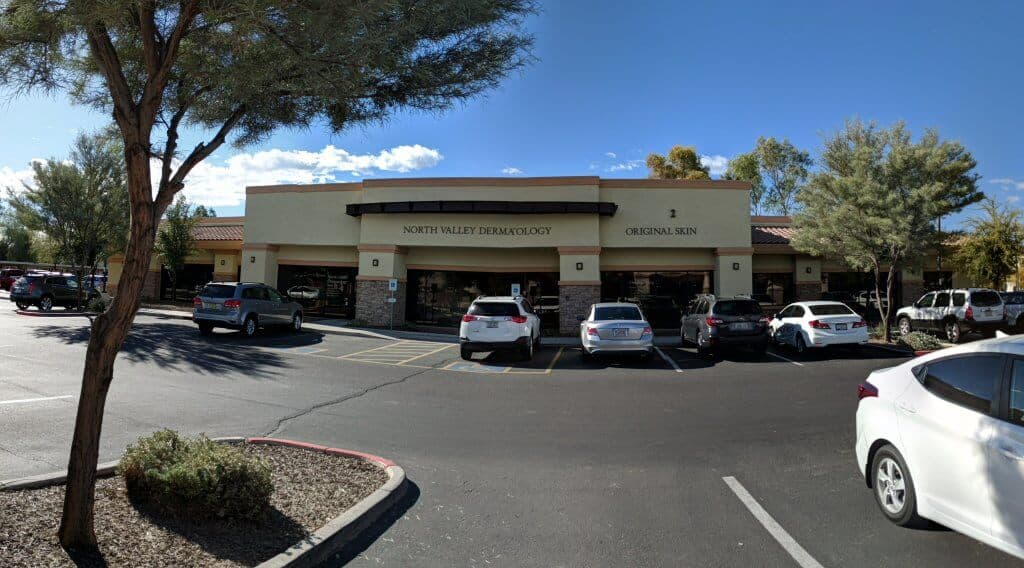
Peoria, AZ

Hiram, GA

Rockville, MD
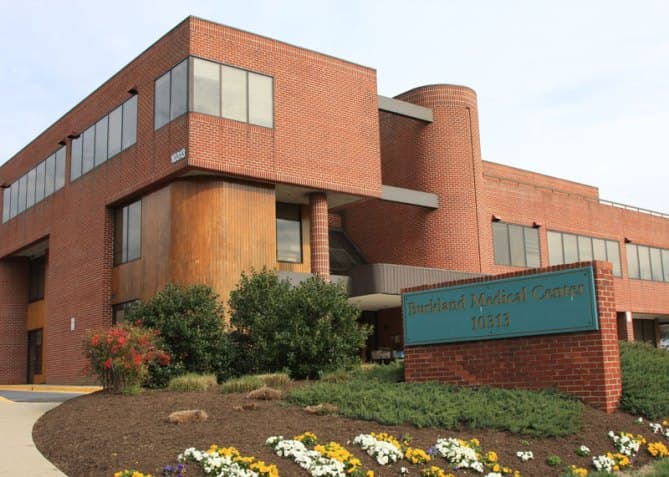
Wheaton, MD
Largo, FL
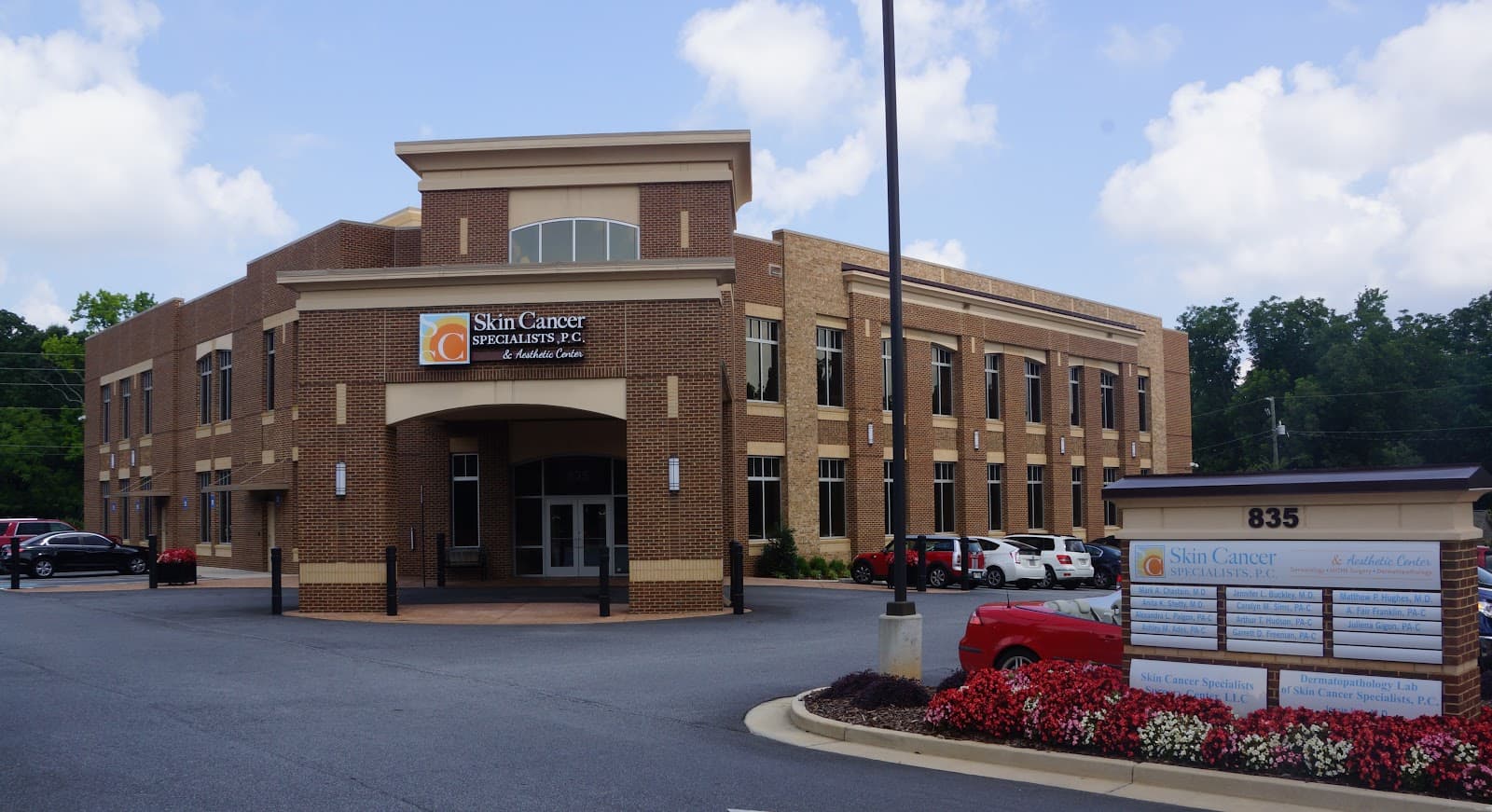

Surprise, AZ
Bellaire, TX

La Grange, IL
Columbia, SC
Lee's Summit, MO

Greensburg, PA

Cedar Park, TX


El Paso, TX

Sugar Land, TX

Las Cruces, NM

Palm Harbor, FL
Highlands Ranch, CO
Showing 24 of 8,540 clinics
Under Eye Filler is generally considered safe when performed by a trained, licensed provider. Common side effects include temporary bruising, swelling, or redness at the injection site. Serious complications are rare but possible. Always consult a board-certified provider and disclose your full medical history before treatment.
Realistically, good under-eye filler makes you look less tired: it softens the hollow and its shadow, not your pigmentation and not eye bags. Expect a subtle change, worse-before-better swelling for 3 to 7 days, the final result at 2 to 4 weeks, and 9 to 15 months of duration.
The most common description of a good result is "I look like I slept." If you are being shown a dramatic transformation, look at the lighting: the tear trough is a shadow, and a shadow can be created or erased by a light source. Under-eye filler underdelivers for three groups: people whose darkness is melanin rather than shadow, people with prominent fat bags or festoons, and people with very thin, crepey lower-lid skin that cannot hide even correctly placed product. Experienced injectors treat the cheeks first, because midface support lifts the lid-cheek junction and often reduces how much under-eye filler is needed, sometimes to none. Volbella XC, Restylane Eyelight and Belotero Balance (+) are FDA-approved for this area; whichever product is used, over-filling is the single most common cause of a bad outcome.
Under-eye filler costs $650 to $1,800 per session in the US, with most patients paying $800 to $1,200. Price is driven by the product, the injector's credentials and your city, not by volume, since only 0.3 to 0.5 mL is used per eye. Expect annual maintenance.
Because so little product is used, the fee mostly buys skill. Under-eye filler is the most technically demanding injection on the face, and pricing reflects that: an oculoplastic surgeon or experienced core-specialty injector in New York or Los Angeles may charge $1,400 to $2,000, while a suburban med-spa may quote $600. Cost per year matters more than cost per visit. Results last roughly 9 to 15 months, so this is a recurring expense of about $700 to $1,500 a year, and insurance covers none of it. Two things worth paying for: a provider who keeps hyaluronidase on-site, and one who will decline to treat you if your problem is fat bags or pigmentation rather than hollowness, because filler makes those worse rather than better.
The three classic under-eye filler failures are the Tyndall effect, a bluish-grey cast from filler placed too superficially; persistent puffiness or a "sausage roll" ridge from over-filling or the wrong product; and prolonged malar edema. All can last months to years. Rarely, vascular occlusion causes skin necrosis or blindness.
Under-eye filler goes wrong more often than any other area, and the failures show because the skin there is only about 0.5 mm thick. Over-filling is the single most common cause. HA draws water, and the area around the eye already retains fluid, so a result that looked fine at week one can look puffy for years. Malar edema in particular can outlast the filler's advertised duration. The good news is that every HA-related complication here is correctable with hyaluronidase, and improvement is usually visible within 6 to 24 hours. The emergency is different: sudden vision change, white or mottled skin, or escalating pain after injection means calling your injector immediately and going to an emergency department. Time to treatment is the main determinant of outcome.
PRP under the eyes typically costs $400 to $1,000 per session in the US, and most protocols use three sessions, so $1,200 to $2,500 for a full course. Maintenance is usually annual. PRP improves under-eye skin quality; it does not fill a hollow the way filler does.
PRP (platelet-rich plasma) is spun from your own blood, so there is no product cost. You are paying for the draw, the centrifuge kit and the injector's time, which is why prices vary so widely between clinics. Practices that bundle PRP with microneedling typically charge $700 to $1,000 per session. Be calibrated about what you get: the evidence for PRP under the eyes is limited, drawn from small studies with inconsistent preparation protocols, and the results are subtle - modest improvement in skin thickness, texture and sometimes pigmentation over 2 to 3 months. It will not correct a hollow tear trough. PRP is not an FDA-approved product for cosmetic use; it is an in-office blood preparation. Bruising for about a week is common.
Under-eye Botox is off-label and unforgiving: weakening the lower eyelid muscle can worsen under-eye bags and puffiness, round or droop the lower lid, cause ectropion (the lid turning outward), dry or watery eyes, and an asymmetric smile. It lasts 3 to 4 months and cannot be reversed.
The lower eyelid muscle helps pump lymphatic fluid out of the area, so weakening it can let fluid pool - which is how this treatment sometimes creates exactly the puffiness the patient came in to fix. People with existing lower-lid laxity, prior lower blepharoplasty, or true fat bags are the most likely to end up worse. Doses are tiny, typically 1 to 4 units per side, and more is not better. There is no antidote for botulinum toxin, so a poor result must be waited out over 3 to 4 months. Botox is FDA-approved for crow's feet but not for the lower lid or the under-eye "jelly roll"; those uses are off-label. And if your problem is a hollow rather than a muscle, toxin is the wrong tool entirely.