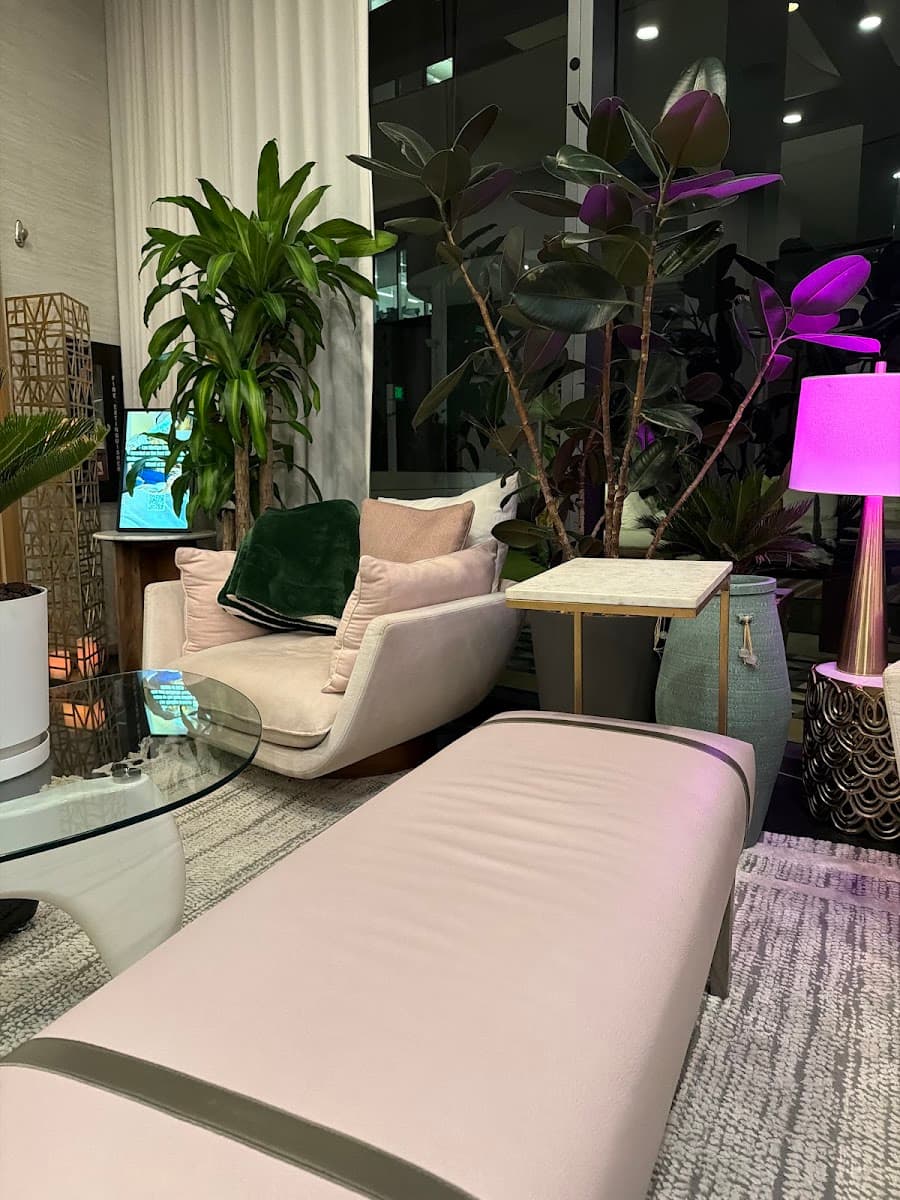
LUX MedSpa Brickell
Miami, FL
★★★★★5.0 (2,360)
Triggers skin repair through controlled micro-injury.
Miami, FL

Riverview, MI
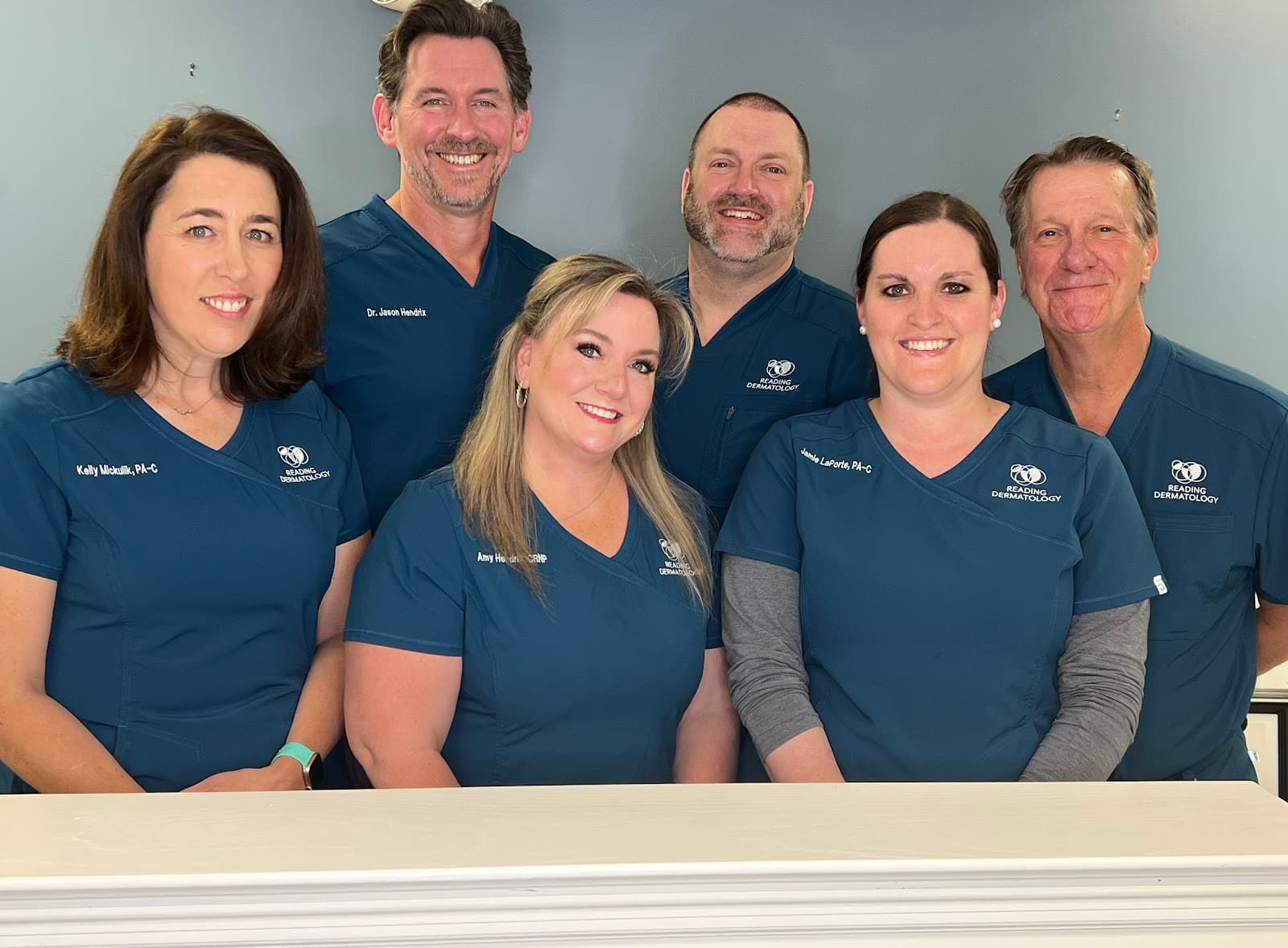
West Lawn, PA


Houston, TX
Altamonte Springs, FL
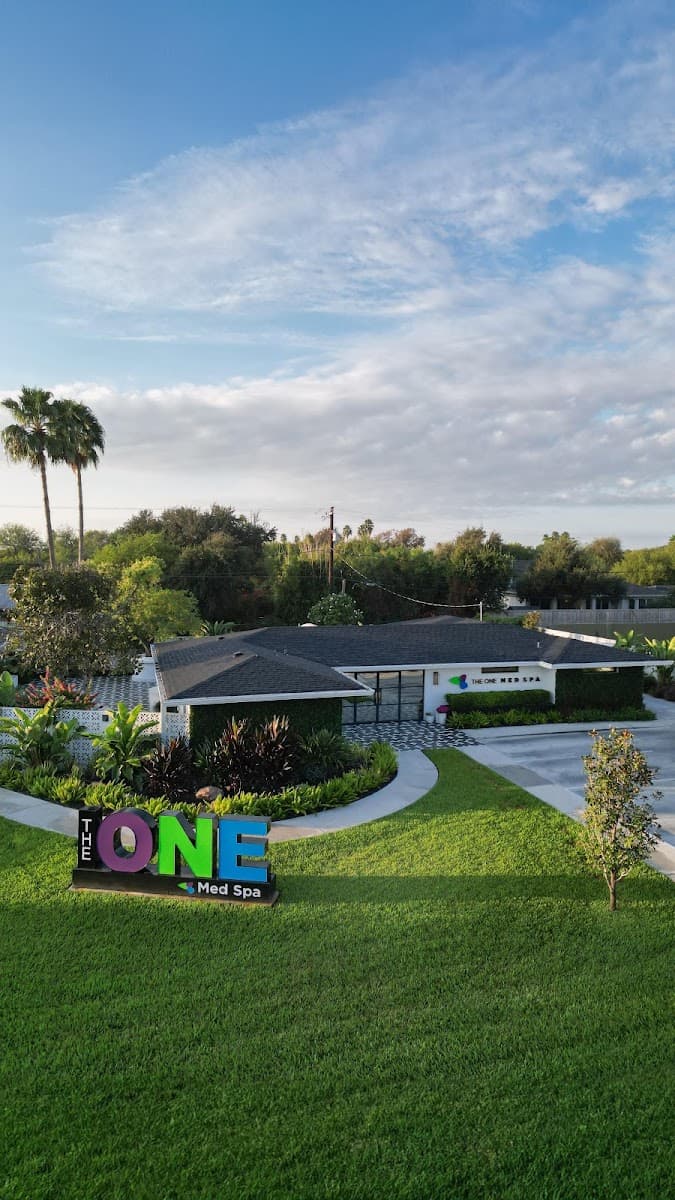
McAllen, TX
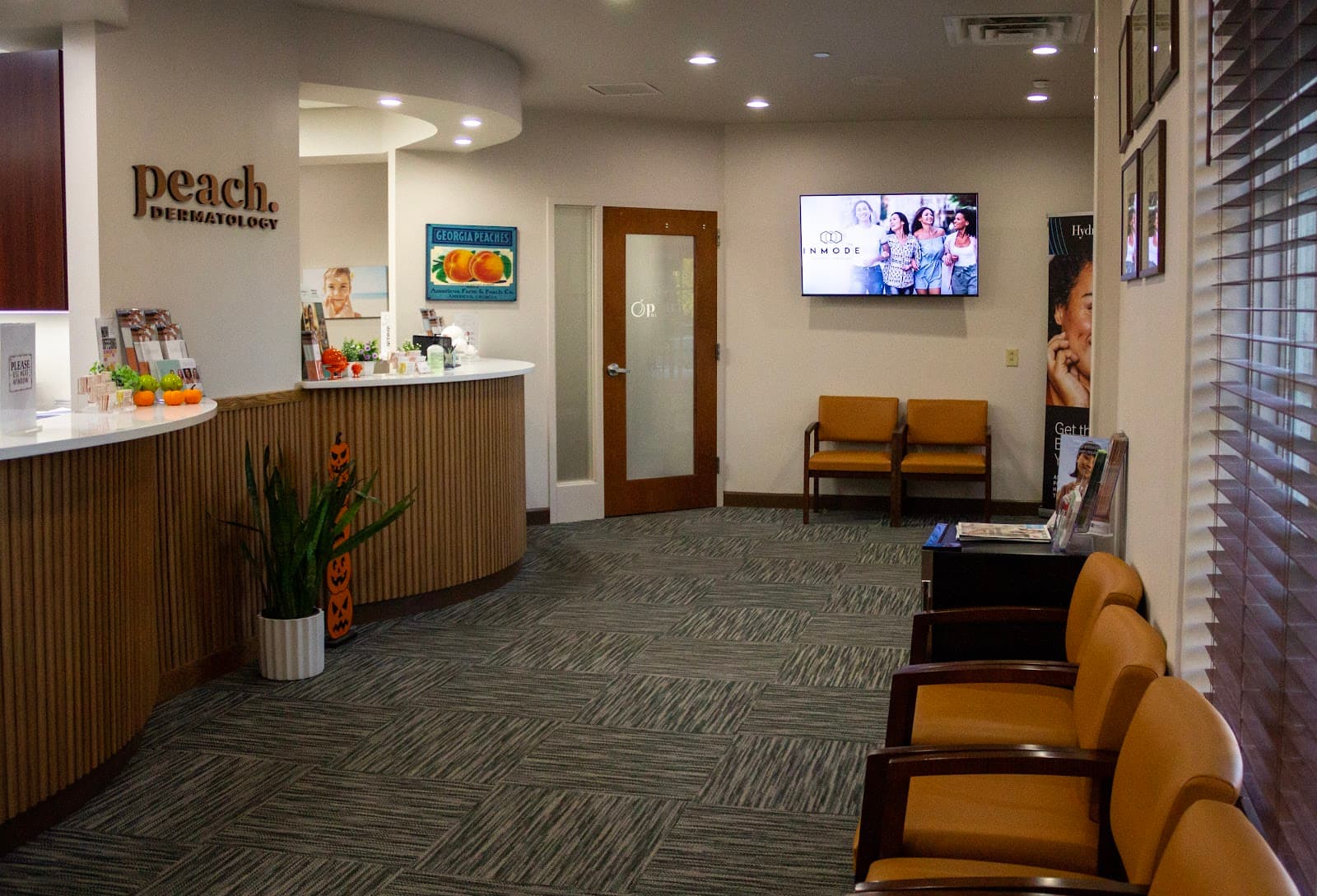
Suwanee, GA
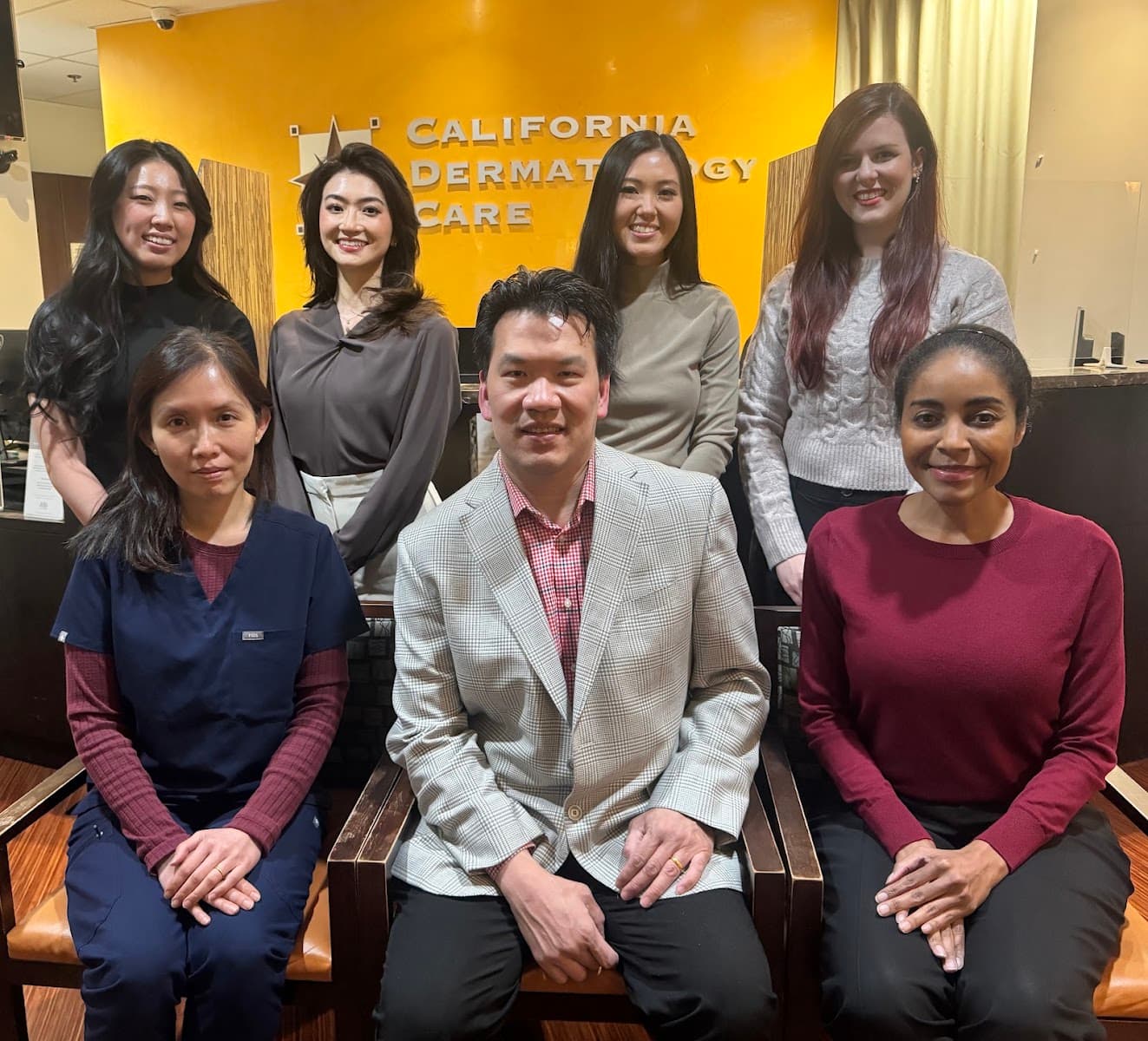
San Ramon, CA
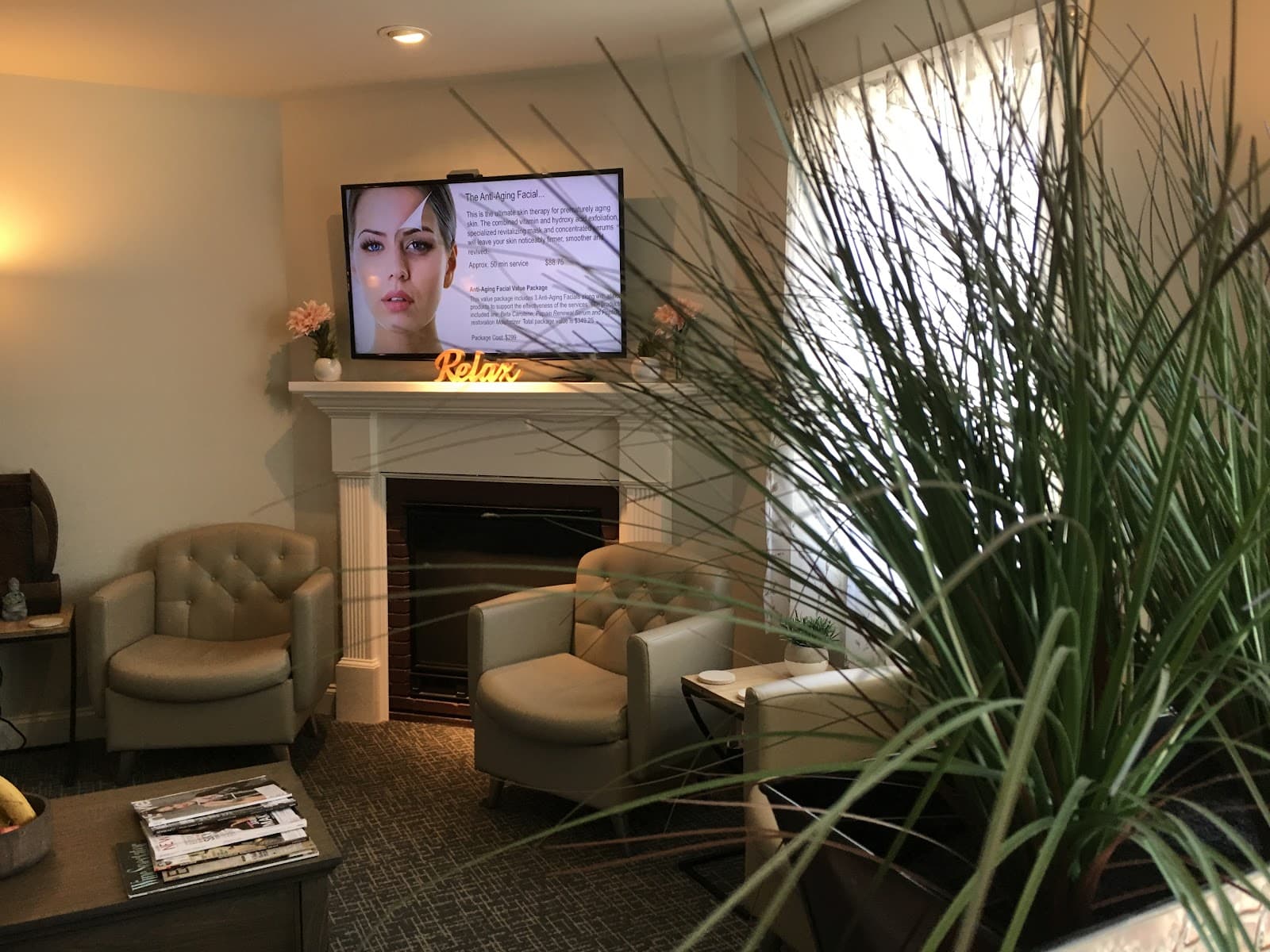
Merrimack, NH

Birmingham, AL


Scottsdale, AZ

Delray Beach, FL
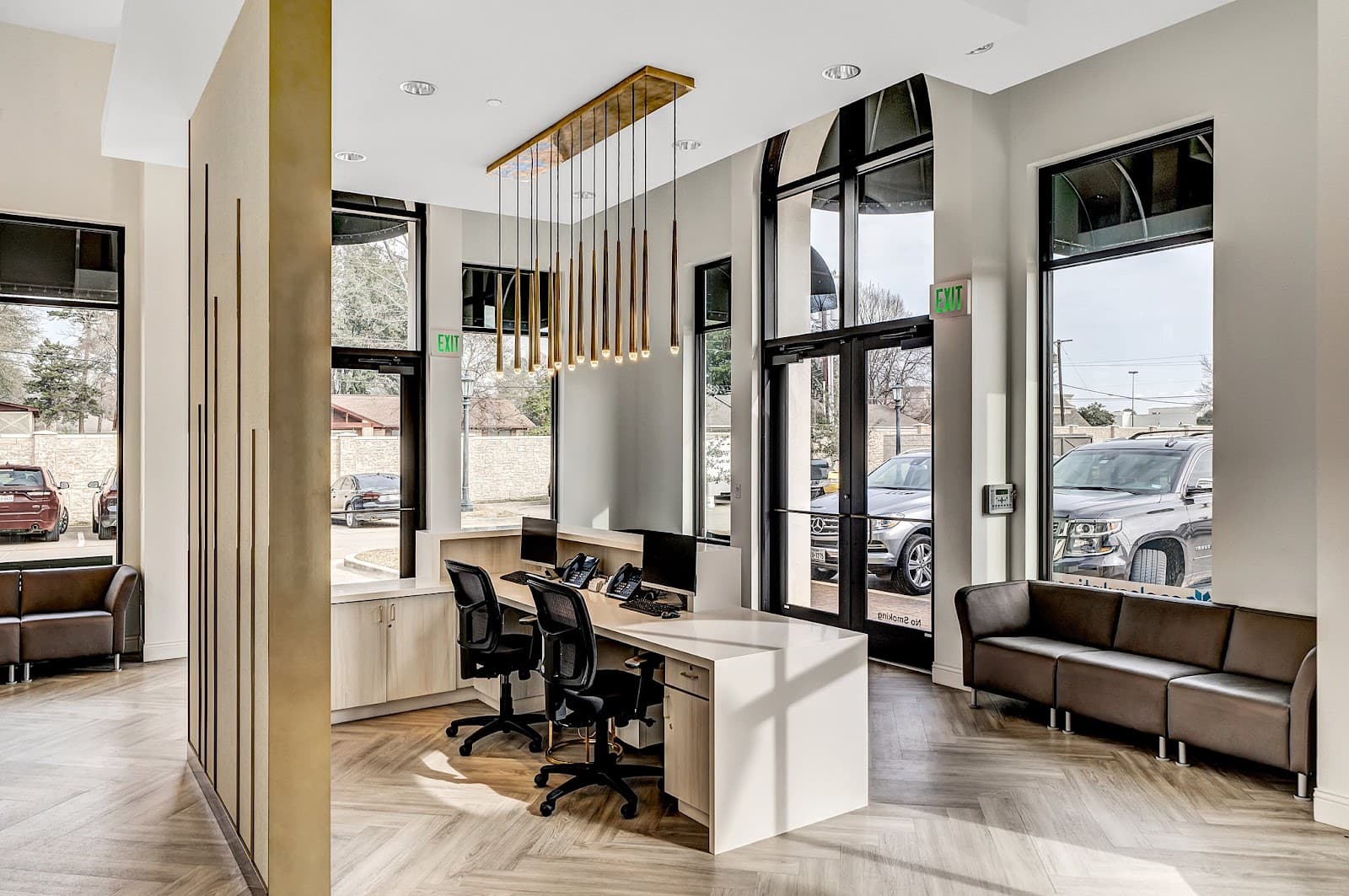

Greensboro, NC

O'Fallon, MO

Fort Wayne, IN

Arlington, TX

Columbia, SC


Dallas, TX

Holladay, UT

Newport Beach, CA
Showing 24 of 8,756 clinics
Estimates are for educational purposes only. Actual pricing varies by clinic, geography, and treatment area. Consult a verified clinic for a personalized quote.
Microneedling is generally considered safe when performed by a trained, licensed provider. Common side effects include temporary bruising, swelling, or redness at the injection site. Serious complications are rare but possible. Always consult a board-certified provider and disclose your full medical history before treatment.
Microneedling is a collagen-induction treatment that uses fine needles to create controlled micro-injuries in the skin, prompting it to rebuild collagen as it heals. It's used for texture, enlarged-looking pores, fine lines and acne scars. A typical course is 3-6 sessions, 4-6 weeks apart. SkinPen is FDA-cleared.
In a clinic, microneedling is done with a motorized pen whose needle depth is dialled in for the area and the problem: shallower on the forehead, deeper on scars. Numbing cream goes on 30-45 minutes beforehand; the pass itself takes 20-30 minutes, and you leave looking sunburned for one to three days. Radiofrequency microneedling (Morpheus8, Vivace, Secret RF) is a different treatment: it adds heat for tightening, costs considerably more, and in October 2025 the FDA issued a safety communication about burns, scarring, fat loss and nerve injury linked to these devices. At-home derma-rollers are not the same thing: they can't reach a meaningful depth and carry real infection and scarring risk.
Professional microneedling typically costs $200-$700 per session in the US, with most single-area facial treatments landing around $300-$500. Packages of three to six sessions usually run $700-$2,500. Adding PRP ("vampire facial") adds roughly $150-$500 per session, and RF microneedling costs considerably more.
Price varies with the device, who performs it, and your market. A physician-run practice in a major city charges more than a suburban med spa, and a medical-grade pen such as the FDA-cleared SkinPen costs more than a basic roller treatment. Most protocols call for three to six sessions spaced four to six weeks apart, so budget for the series, not one visit. RF microneedling (Morpheus8 and similar) is a different, more expensive category: usually $600-$1,500 per session. Be wary of unusually cheap offers: microneedling is a medical procedure that breaks the skin barrier, and cut-price providers are often cutting corners on device quality, needle cartridges or sterility.
For the first 24 hours, leave the skin alone: no makeup, no exercise or sweating, no swimming, and nothing but a gentle cleanser and a bland moisturizer. Skip retinoids, acids and vitamin C for about 3-5 days, wear SPF 30+ daily, and don't pick at any flaking.
The rules exist because the needles leave microchannels that stay open for several hours. Anything you put on the skin in that window (makeup, dirty hands, gym sweat, pool water) goes deeper than you intend, which is why infection risk is concentrated on day one. Redness and heat like a mild sunburn are normal for one to three days; tightness, dryness and light flaking can last a week. Sun protection matters more than usual, because freshly treated skin pigments easily and post-inflammatory darkening is the most common avoidable complication, particularly in deeper skin tones. Call your provider for spreading redness, pus, fever, worsening pain, or a cold sore developing: those are not part of normal healing.
Microneedling (collagen induction therapy) uses fine needles to create controlled micro-injuries in the skin, triggering collagen and elastin production as it heals. It's used for acne scars, enlarged pores, fine lines, uneven texture and stretch marks. Most people need three to six sessions, four to six weeks apart.
A professional pen device such as the FDA-cleared SkinPen delivers needles to a set depth: typically 0.5-2.5 mm depending on the area and indication, which is deeper than an at-home derma-roller can safely reach. Numbing cream is applied first; the treatment takes 20-40 minutes and leaves you flushed and slightly swollen, like mild sunburn, for one to three days. The strongest evidence is for atrophic acne scarring. Results build over three to six months as new collagen matures. Microneedling should be avoided with active acne, any active skin infection, a tendency to keloid scarring, and during pregnancy. Isotretinoin use is a caution: timing is debated, so discuss it with the provider.
For acne scarring and general skin texture, microneedling is one of the better-value treatments: roughly $200-$700 a session, with the AAD reporting that acne scars fade about 50-70% over 3-5 sessions. It's not worth it for deep wrinkles or sagging skin, which need lasers, energy devices or surgery.
Budget for the course, not the session: 3-6 treatments puts the real cost at about $800-$2,800, and most clinics discount a package. Judge it against what you actually want fixed. Texture, shallow acne scars, enlarged-looking pores and early fine lines are its lane. Volume loss, jowls and deep folds are not, and no number of sessions changes that. At-home derma-rollers are the one clear no: they can't reach a useful depth, they're hard to keep sterile, and they carry real infection and scarring risk for essentially no proven benefit. If you want tightening, that's RF microneedling, which costs more and, per the FDA's October 2025 safety communication, carries a higher risk of burns and scarring.