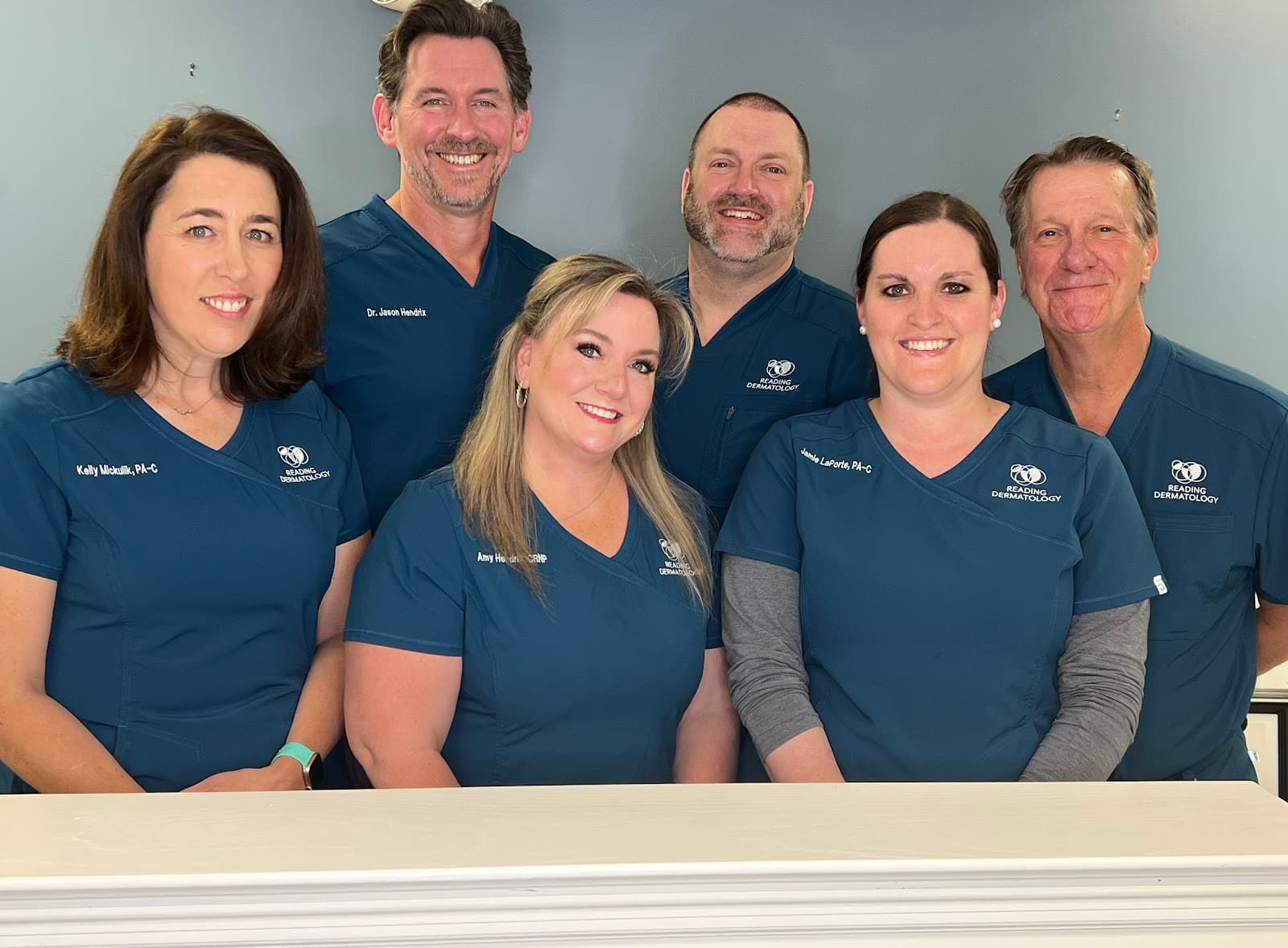
Reading Dermatology
West Lawn, PA
★★★★★4.9 (3,443)
Your own blood, repurposed for skin.
West Lawn, PA


Houston, TX
McAllen, TX

Suwanee, GA

Cape Coral, FL
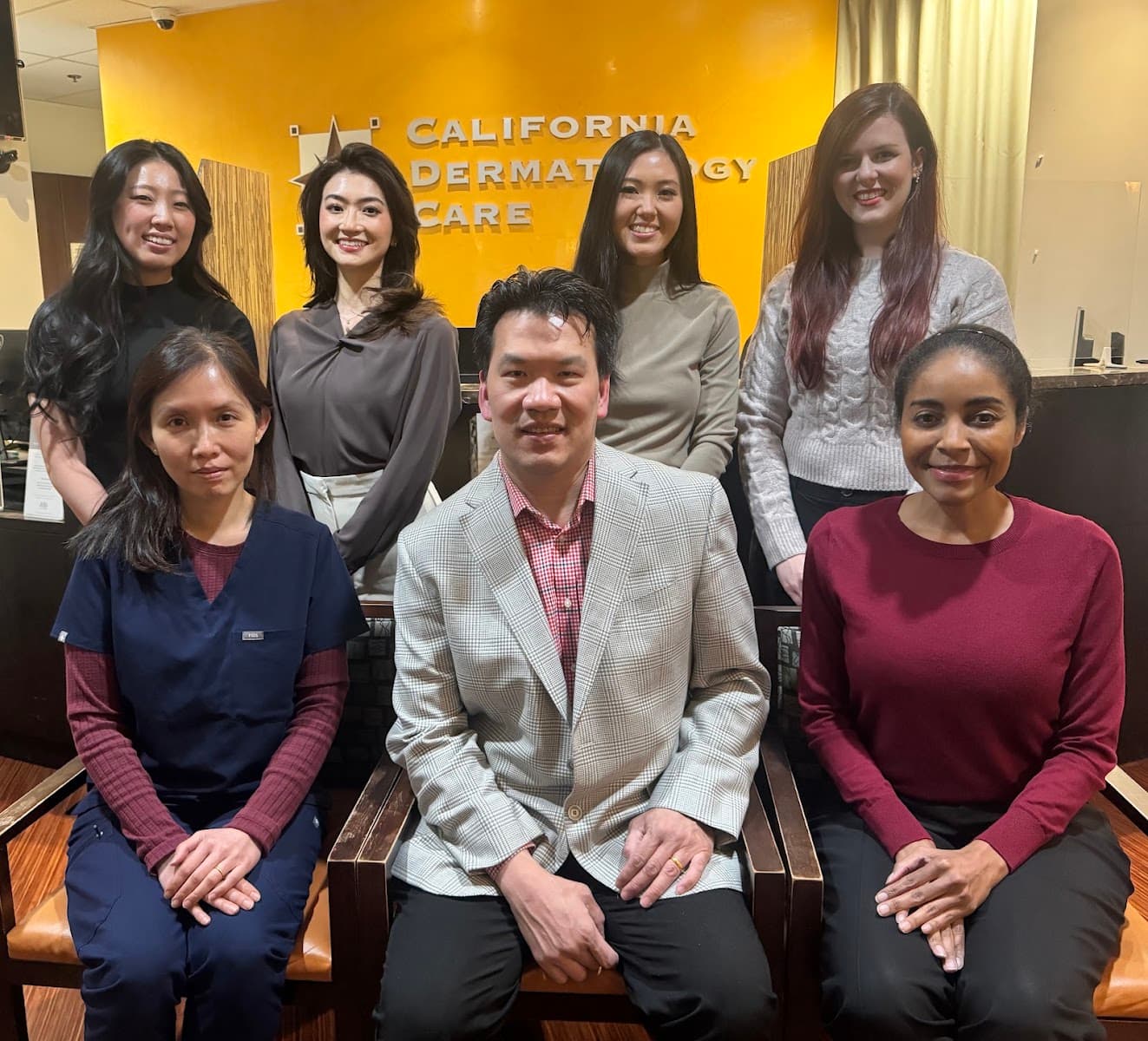
San Ramon, CA
Fairfax, VA

Birmingham, AL


Scottsdale, AZ

Delray Beach, FL

Mesa, AZ

Baton Rouge, LA

New York, NY

O'Fallon, MO

Arlington, TX

Columbia, SC

Charlotte, NC
Houston, TX


Dallas, TX

Newport Beach, CA
Showing 24 of 5,071 clinics
Estimates are for educational purposes only. Actual pricing varies by clinic, geography, and treatment area. Consult a verified clinic for a personalized quote.
PRP is generally considered safe when performed by a trained, licensed provider. Common side effects include temporary bruising, swelling, or redness at the injection site. Serious complications are rare but possible. Always consult a board-certified provider and disclose your full medical history before treatment.
PRP (platelet-rich plasma) is a concentrate made from your own blood: a sample is drawn, spun in a centrifuge to separate out the platelets, and the platelet-rich layer is re-injected. Platelets release growth factors that stimulate repair. In aesthetics it's used mainly for pattern hair loss.
Because PRP is autologous (it comes from you) allergy and rejection aren't realistic concerns, which is the main reason its safety profile is good. Its evidence base is uneven, though. For androgenetic alopecia it's genuinely reasonable, with multiple small randomized trials showing modest gains in hair density. For facial rejuvenation, the 'vampire facial', the data are much thinner. One precision point most clinic websites get wrong: PRP itself is not FDA-approved. The centrifuges and kits used to prepare it are FDA-cleared as devices, which is a different and lower regulatory bar. If a practice advertises 'FDA-approved PRP', that's a red flag about how carefully they handle everything else.
PRP helps early to moderate pattern hair loss, where follicles are thinning but still alive. It does not regrow hair on a smooth, fully bald scalp: those follicles are gone, and only a transplant restores them. In thinning areas, studies show modest density gains over 3-6 months.
Baldness is where PRP disappoints. In areas that are shiny and smooth, the follicles have been destroyed or fully miniaturized, and no growth-factor injection brings them back; only a hair transplant moves living follicles into that zone. Where PRP earns its place is the thinning stage: a widening part, a see-through crown, hair that's finer than it used to be. Trials report modest improvements over 3-6 months, but they're small and protocols differ between clinics, so response is unpredictable and a minority of people see nothing. Expect 3-4 monthly sessions, then maintenance every 4-6 months; benefit fades if you stop. A dermatologist can tell you which stage you're actually in, and that single fact matters more than anything else in the decision.
A platelet-rich plasma face treatment takes about 60-90 minutes: 15-30 mL of blood is drawn, spun in a centrifuge to separate the platelet layer, then microneedled or injected into numbed skin. Expect 1-3 days of redness. Most protocols use three sessions spaced 4-6 weeks apart.
The visit runs like a blood draw followed by a skin treatment. Numbing cream goes on for 20-30 minutes while your blood is drawn and spun to separate platelet-rich plasma from red cells. That plasma is then microneedled into the skin or injected in small amounts. You'll leave flushed, similar to a sunburn; redness settles within 1-3 days and makeup usually goes back on at 24 hours. Avoid sun, retinoids, and hard exercise for about 48 hours. Collagen remodeling is slow, so judge the result at 8-12 weeks rather than at one. Tell your provider about blood thinners, and skip PRP if you have a platelet disorder, active infection, or are pregnant. Expect three sessions, then a touch-up once or twice a year.
Microneedling with PRP typically shows gradual improvement in skin texture, pore size, and acne scarring over 3-6 months, usually after a series of three sessions. Changes are refinements (smoother, more even skin), not a lift or added volume. Honest comparisons need matched lighting and at least three months between photos.
Microneedling alone is well established for texture and scarring; adding PRP appears to speed healing and modestly improve results, though the studies are small and not all of them find a difference. What changes: surface smoothness, softer fine lines, less visible pores, gradual fading of rolling acne scars. What doesn't: volume loss, deep static wrinkles, sun spots, laxity. Be wary of before-and-afters taken a week apart: post-treatment swelling temporarily plumps skin and flatters the comparison. Ask for images at three months or later, same angle, same lighting, no makeup. In darker skin tones, temporary post-inflammatory hyperpigmentation is possible, so needle depth and aftercare matter. Repeat sessions and daily sun protection contribute more to the final result than the PRP itself does.
PRP has the best evidence of any regenerative injectable for hair loss (several small randomized trials show increased density in androgenetic alopecia), but it works best alongside minoxidil or finasteride, not instead of them. Trials are small and protocols vary between clinics, so results are inconsistent.
Here's the fair comparison. Minoxidil (topical, over the counter) and finasteride (oral, prescription) are the only FDA-approved treatments for androgenetic alopecia and carry by far the largest evidence base. A hair transplant is the only way to restore hair to a genuinely bald area. PRP sits alongside those rather than above them: a reasonable add-on that can raise density and cut shedding in early to moderate thinning, and a useful option for people who can't tolerate finasteride. But the trials are small, PRP preparation isn't standardized across clinics, and the benefit fades without maintenance every 4-6 months. Budget $500-$1,500 per session, out of pocket, indefinitely. Anyone selling PRP as a cure, or as a finasteride replacement, is overstating what the evidence supports.