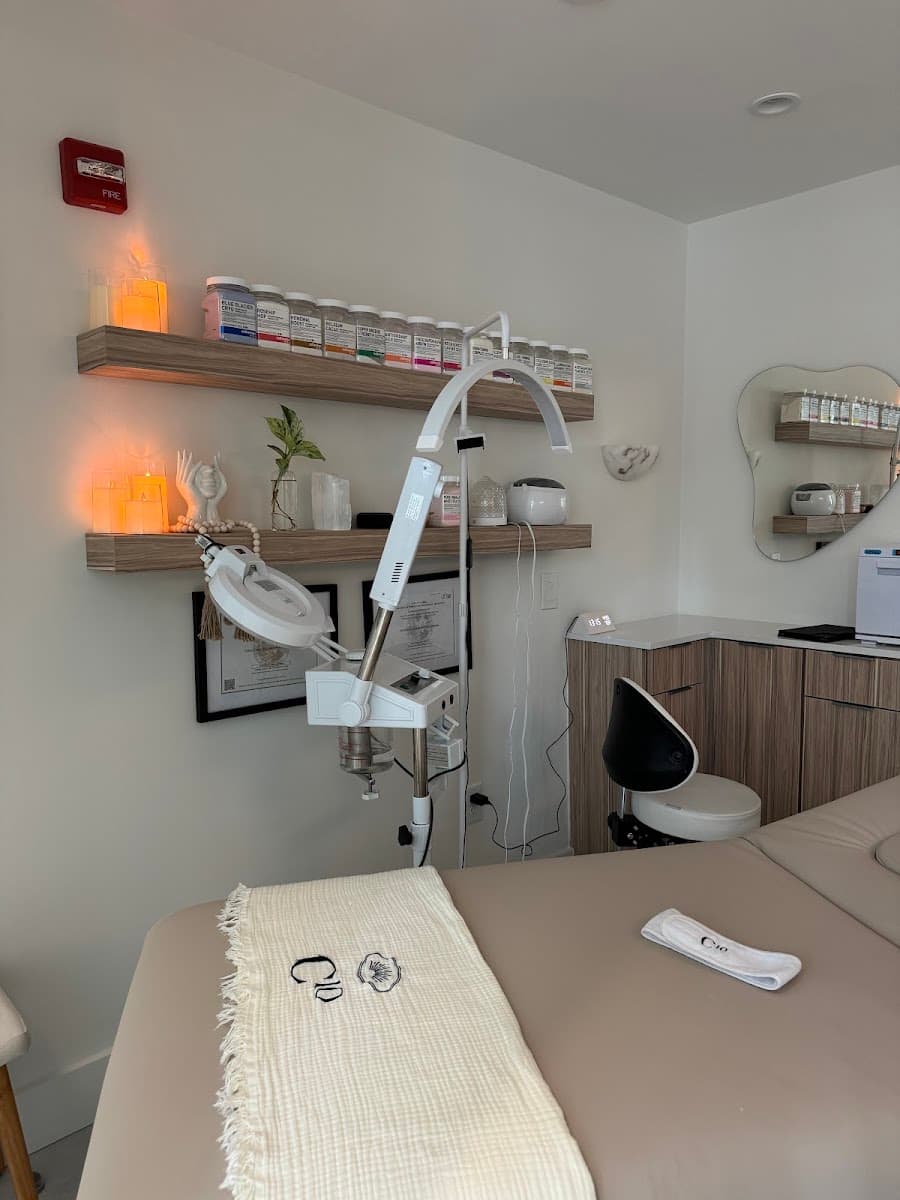
C10 Wellness and Rejuvenation
Miami, FL
★★★★★5.0 (218)
Jaw slimming and TMJ relief.
Miami, FL

Palm Beach Gardens, FL

The Village, OK

Boca Raton, FL
Southlake, TX

Lakewood, CA

Irvine, CA
Oakhurst, NJ

Tustin, CA
Orange City, FL
Paramus, NJ
Woodhaven, MI

Ruidoso, NM
Aiea, HI

Miami, FL
Salt Lake City, UT
Showing 18 of 18 clinics
Estimates are for educational purposes only. Actual pricing varies by clinic, geography, and treatment area. Consult a verified clinic for a personalized quote.
Masseter Botox is generally considered safe when performed by a trained, licensed provider. Common side effects include temporary bruising, swelling, or redness at the injection site. Serious complications are rare but possible. Always consult a board-certified provider and disclose your full medical history before treatment.
Bruxism is managed rather than cured: a custom hard acrylic night guard protects the teeth and reduces jaw load, alongside stress management and treatment of sleep apnea if present. Botox into the masseters reduces clenching force and is widely used, but it's off-label: the FDA has not approved it for bruxism.
A custom hard acrylic splint (Michigan-type) is first-line and clearly outperforms over-the-counter soft guards, which some research suggests may actually increase clenching. It does not stop you grinding: it prevents the damage and reduces joint loading. Address contributors: stress, caffeine, alcohol, and medications (SSRIs can cause or worsen bruxism). Low-dose amitriptyline at bedtime is used for chronic myofascial pain; short courses of muscle relaxants help acute flares. Botox (typically 25-50 units per masseter, lasting 3-6 months) reduces bite force and muscle bulk; systematic reviews are supportive for muscle-based jaw pain, but trials are small and it is not proven superior to a splint. Side effects include temporary chewing weakness and asymmetry. It's contraindicated in pregnancy, breastfeeding, and neuromuscular disease. See a dentist first.
The main ways masseter Botox goes wrong: paradoxical bulging (a bump at the jaw angle when clenching, reported in 0.5-18.8% of cases), an asymmetric smile from toxin reaching the risorius muscle, chewing fatigue, and a hollowed lateral face from over-dosing. All are temporary, resolving over 3-4 months.
Nearly every masseter complication traces back to dose or placement. Paradoxical bulging happens when only part of the muscle is treated and the untreated fibers overwork; the fix is additional injections into the bulging head. Smile changes occur when toxin drifts forward into the risorius - preventable by injecting deep and staying in the posterior two-thirds of the muscle. Superficial injection can involve the parotid gland, which overlies most of the masseter, with rare reports of parotitis. Over-treatment, or treating a normal-sized masseter, can hollow the lower cheek or unmask jowls in older, laxer skin. There is no reversal agent for botulinum toxin: correction means either a touch-up or waiting it out. Masseter treatment is off-label.
TMJ disorder can often be fully resolved rather than merely managed: roughly 75-90% of patients improve with conservative care alone; soft diet, jaw rest, moist heat, NSAIDs, a custom night guard, and physical therapy. Degenerative joint disease and long-standing disc displacement are usually managed, not cured.
"Cured" in TMD means a pain-free, fully functional jaw, not a structurally perfect scan. Muscle-based (myogenous) TMD, the most common type, frequently resolves completely with early conservative treatment. About 10-25% of patients develop chronic TMD needing ongoing management. Escalation, in order: night guard and physical therapy, then medications, then Botox (off-label) or intra-articular corticosteroid or hyaluronic acid injections, then arthrocentesis, with open surgery reserved for structural failure. Be skeptical of anyone promising a cure through bite adjustment, occlusal grinding, or orthodontics: controlled studies do not support the idea that fixing your bite reliably fixes TMD, and irreversible dental work is hard to undo. Start with a dentist or an orofacial pain specialist for an accurate diagnosis.
Yes: gentle self-massage of the masseter and temporalis muscles helps muscle-based (myogenous) TMJ pain, which is the most common type. Place your fingertips over the jaw angle and make slow circular pressure movements for a few minutes. It relieves symptoms but does not fix a displaced disc.
Manual therapy is a recognized part of physical therapy for TMD, and every major guideline recommends PT. A trained physical therapist or orofacial pain specialist can add trigger-point release, intraoral masseter and pterygoid release, joint mobilization, and postural correction: the 2024 Royal College of Surgeons guideline says postural training should be considered for all types of TMD, because forward head posture increases joint loading. Combine massage with moist heat, a soft diet, and jaw rest for the best short-term effect. Stop if massage increases your pain. Massage does not treat the underlying bruxism, and it will not correct a disc that is displaced: clicking, locking, or limited opening should be evaluated by a dentist or orofacial pain specialist.
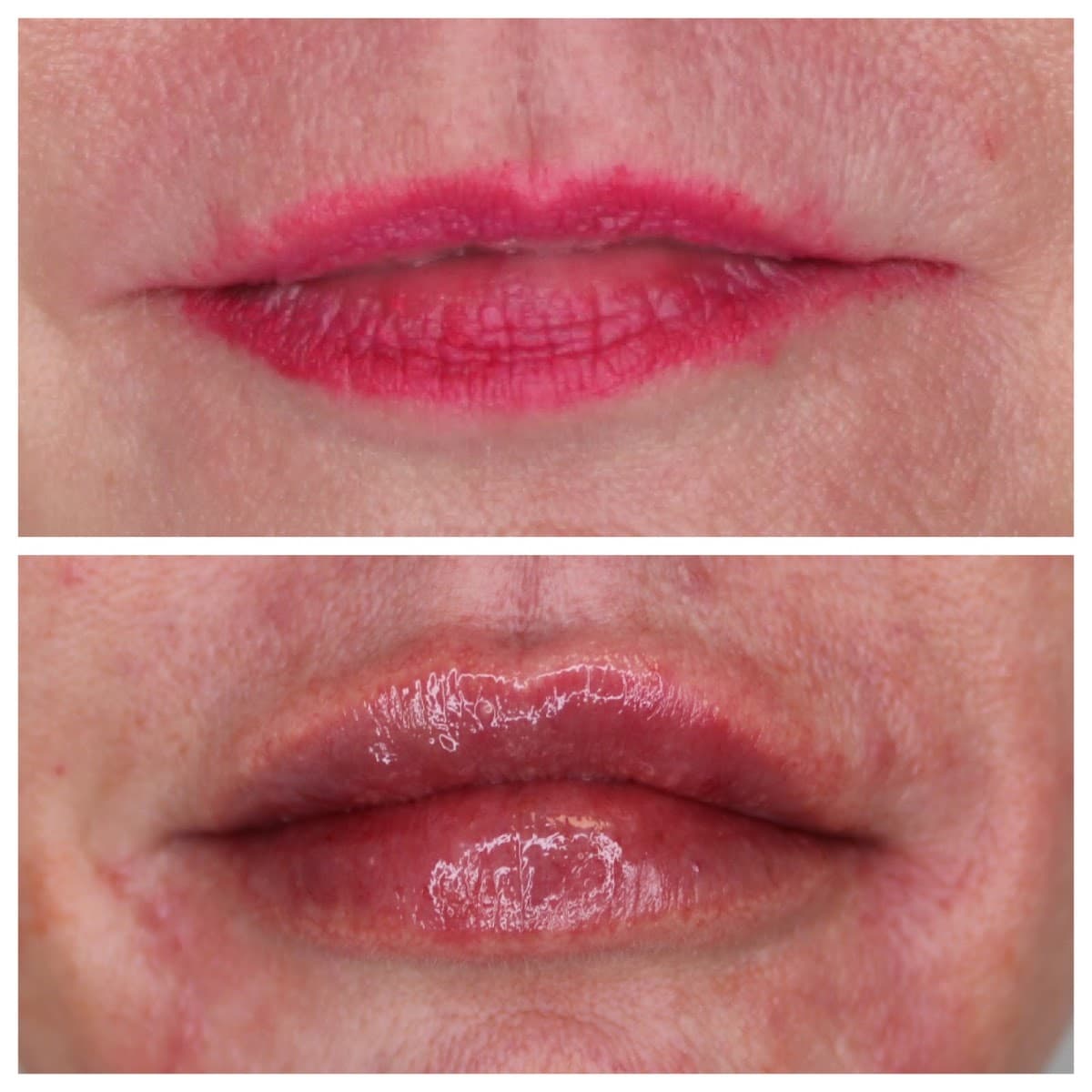
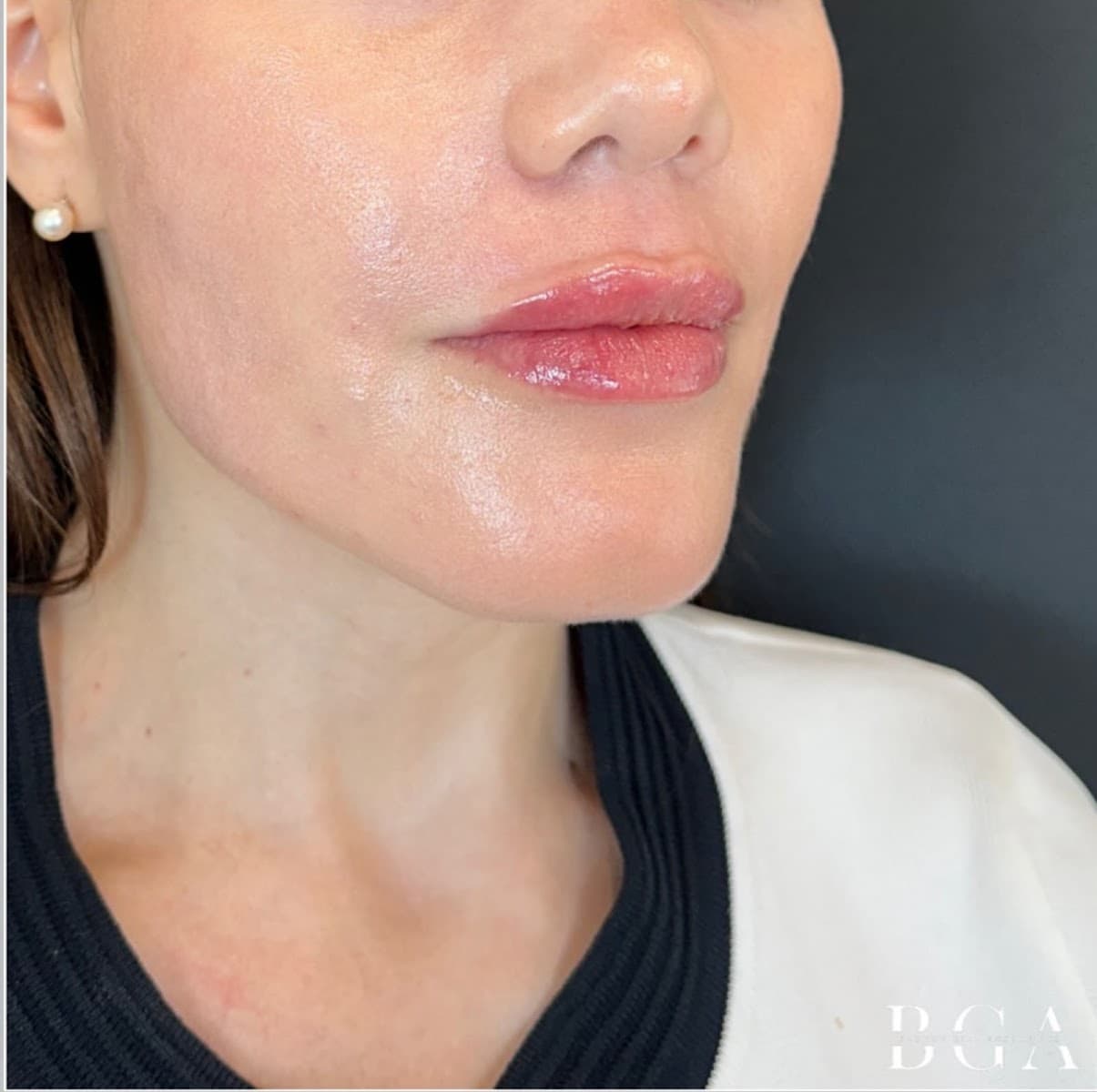
Jawline Botox, injected into the masseter chewing muscles, gradually slims a square jaw over 6-12 weeks, so meaningful before-and-after photos are taken about 3 months apart. Typical dosing is 20-30 units per side. This is an off-label use; Botox isn't FDA-approved for jaw slimming.
Unlike wrinkle treatment, the effect here is muscle atrophy from disuse, so it builds slowly and often takes two or three rounds to reach full slimming. Results last around 4-6 months, longer than upper-face treatment. Off-label does not mean unsafe or illegal (it's a common, well-established practice), but it does mean the dosing is not standardized by the FDA. Known downsides: chewing fatigue for a few weeks, an asymmetric or awkward smile if toxin spreads to the nearby smile muscles, and, with prolonged high-dose use, loss of midface support or a paradoxical bulge of untreated muscle fibers. The same technique is used off-label for teeth grinding and jaw tension.