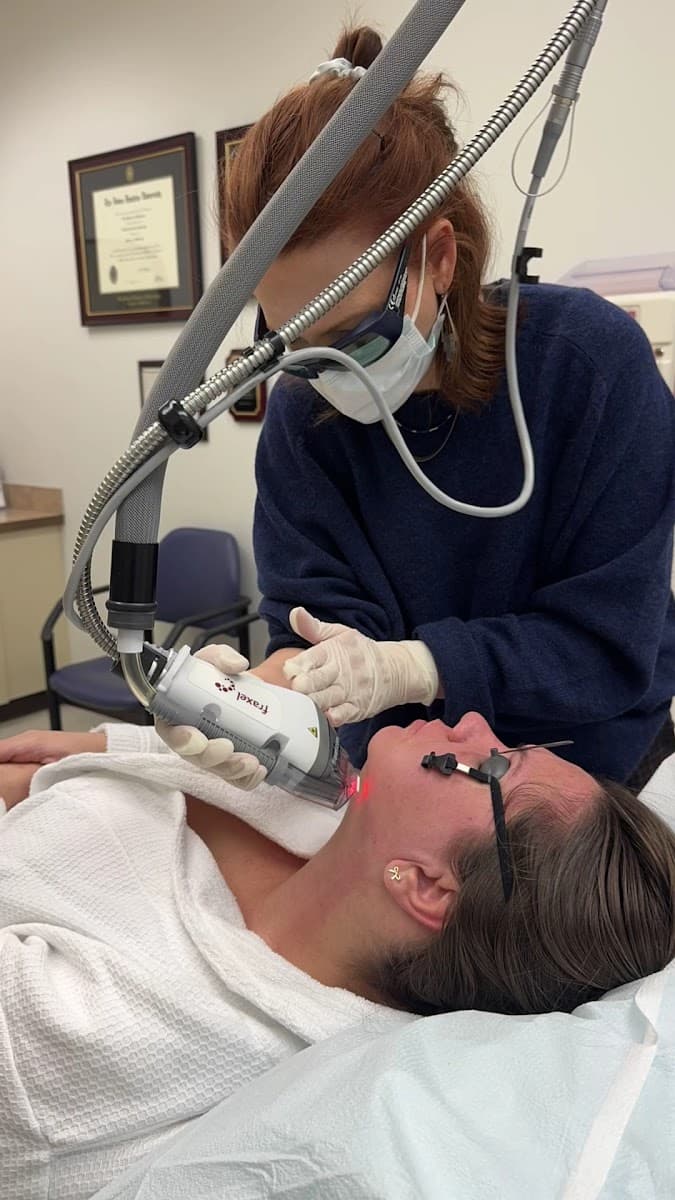
Ada West Dermatology
Meridian, ID
★★★★★4.9 (10,211)
Meridian, ID

Baton Rouge, LA

Glen Mills, PA

Atlanta, GA
Peoria, AZ

Hiram, GA

Rockville, MD

Wheaton, MD
Largo, FL
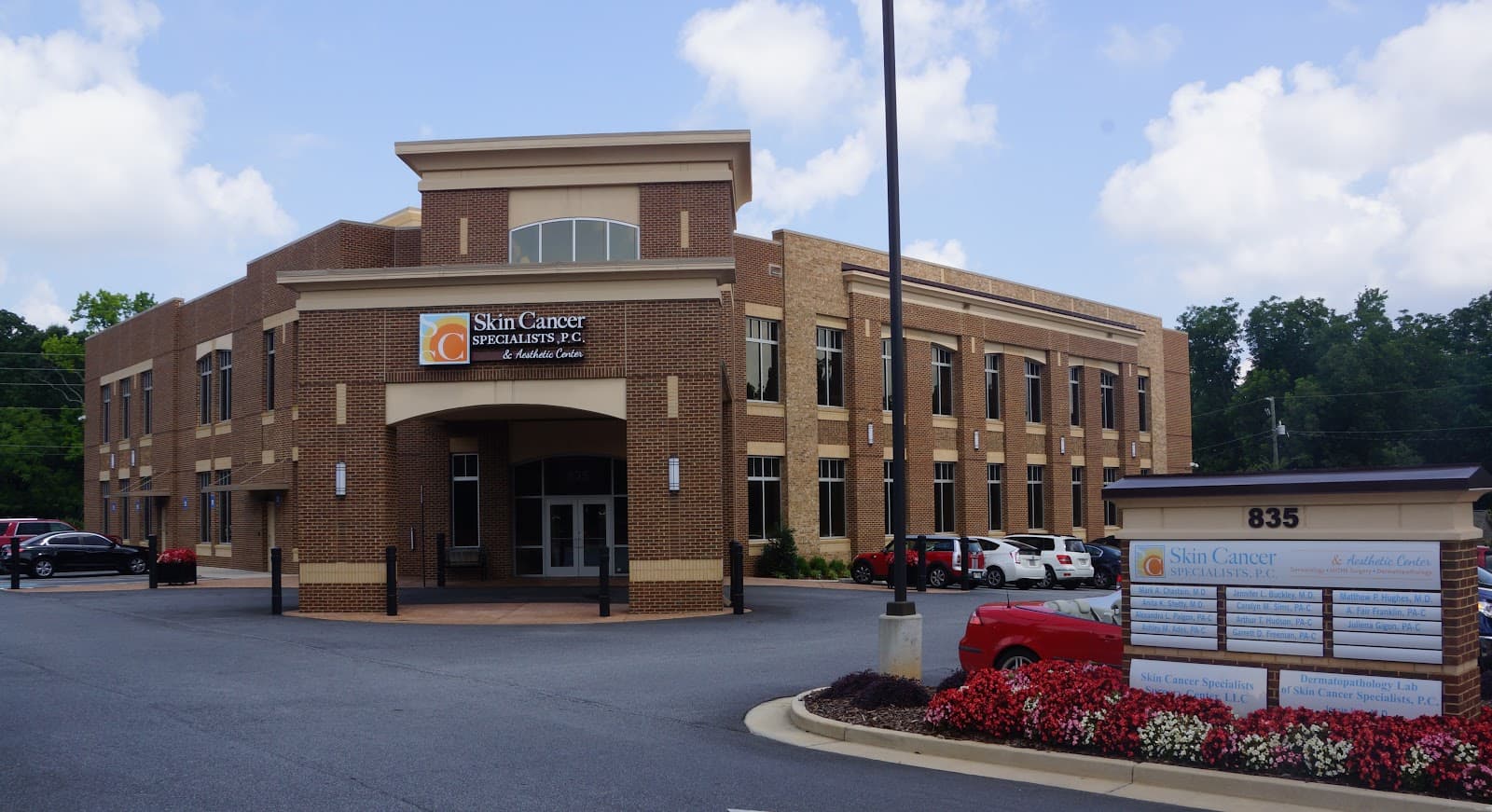

Surprise, AZ

Bellaire, TX

La Grange, IL
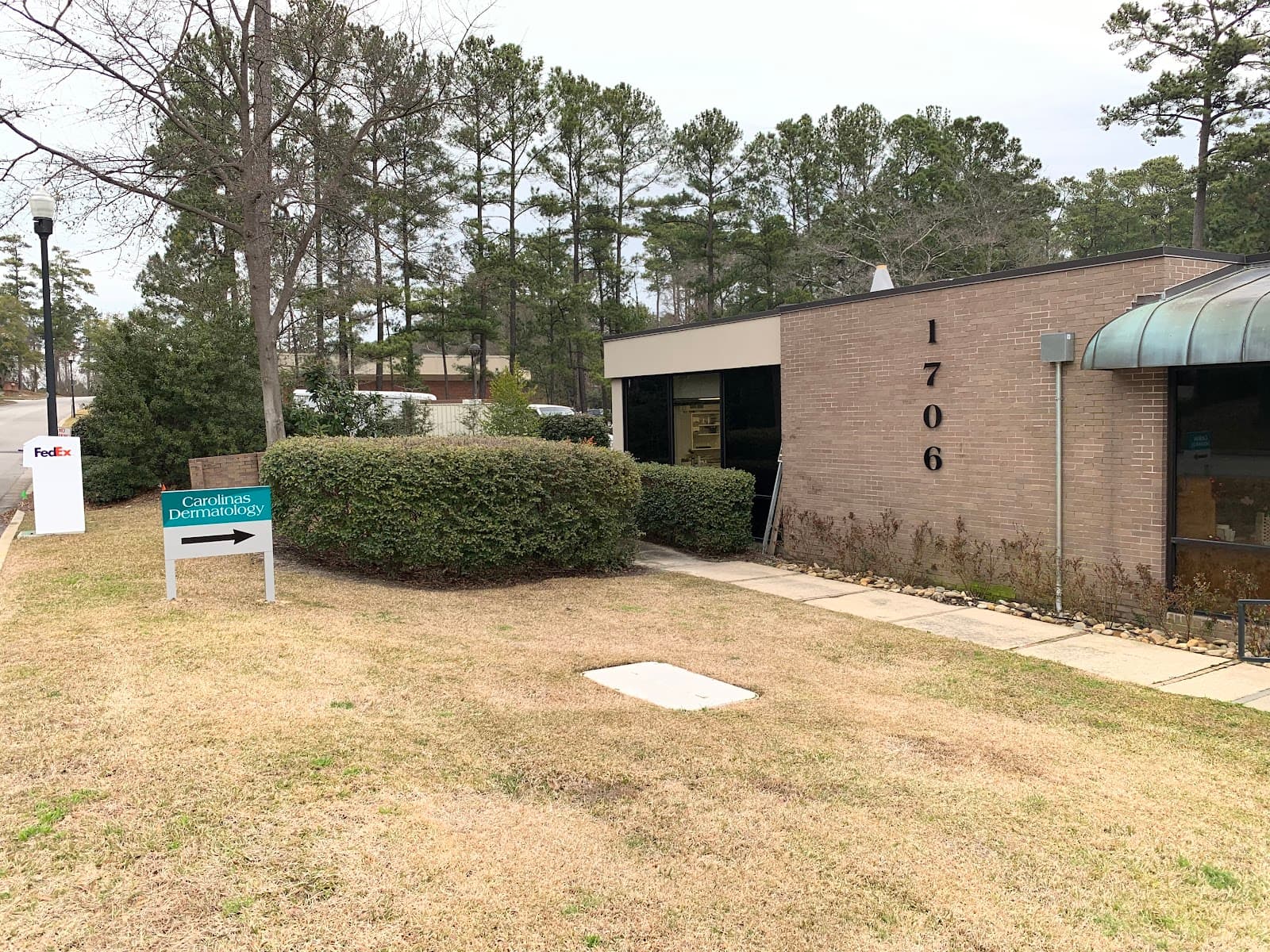
Columbia, SC

Lee's Summit, MO

Greensburg, PA

Cedar Park, TX


El Paso, TX

Sugar Land, TX

Las Cruces, NM

Palm Harbor, FL
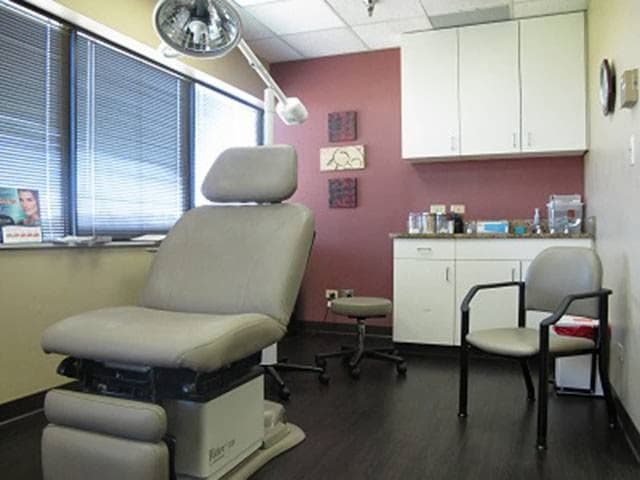
Highlands Ranch, CO
Showing 24 of 9,367 clinics
Temple Filler is generally considered safe when performed by a trained, licensed provider. Common side effects include temporary bruising, swelling, or redness at the injection site. Serious complications are rare but possible. Always consult a board-certified provider and disclose your full medical history before treatment.
Temple filler before-and-afters show hollow, sunken temples filled back out, which softens a skeletal look, smooths the transition from brow to cheekbone, and widens the upper face. Typical dose is 1 to 2 mL per side, results are immediate, and they last 12 to 24 months.
The change is subtle in photos but noticeable in person, because temple hollowing is read as a shadow and a drawn quality rather than as a discrete feature. Common causes are ageing, extreme leanness, and rapid GLP-1 weight loss. Juvederm Voluma XC has been FDA-approved for temple hollowing since 2023 and Restylane Contour since 2026; other fillers used here remain off-label. It is also one of the higher-risk facial zones. The superficial temporal artery, the sentinel vein and the deep temporal vessels all run here, and vision loss has been reported after temple injection. Deep placement on bone and cannula technique reduce that risk. Thicker HA fillers or Sculptra are usually chosen, and the result settles by 2 to 4 weeks. Use an injector with specific temple experience who keeps hyaluronidase on-site.
Temple filler typically lasts 12 to 18 months. Juvederm Voluma XC, FDA-approved for temple hollowing in 2023, is the most commonly used product, and Restylane Contour gained temple approval in 2026. Collagen stimulators such as Sculptra can last 2 years or more but build gradually across several sessions.
The temple holds filler well because it is a deep, relatively immobile compartment: unlike lips, which are in constant motion and typically last only 6 to 12 months. Longevity depends on the product's thickness, how much was placed, and your own metabolism; very lean, highly active people tend to break filler down faster. Filler here is placed either deep on the bone or in a specific safe superficial plane, because the temple contains significant vessels, so this is an area for an experienced injector rather than a bargain hunt. Most people return for a top-up somewhere between 12 and 18 months, and repeat sessions often need less product than the first, since some baseline volume remains.
Temple filler is safe in trained hands, but it is a high-risk area: the temple carries the superficial temporal artery and the middle temporal vein, and injections here have caused vascular occlusion and, rarely, blindness. Juvederm Voluma XC and Restylane Contour are FDA-approved for temple hollowing.
Two things make the temple unforgiving: the vessels are large, and the middle temporal vein offers a route toward the eye's circulation. Safe technique means committing to a specific depth (either deep on the bone in the temporal fossa or superficially under the skin with a blunt cannula), and never the middle layer, where the vessels live. Ask whether your injector uses a cannula and keeps hyaluronidase on-site. Ordinary side effects are bruising, swelling, tenderness and temporary lumpiness. Call immediately for blanching, mottled or net-like skin, disproportionate pain, or any change in vision. Only hyaluronic acid should be used here: Radiesse and Sculptra cannot be dissolved if something goes wrong.
Temple filler is dermal filler injected into the hollow at the side of the forehead, above the cheekbone and beside the eye, to restore volume lost to ageing or weight loss. Juvederm Voluma XC and Restylane Contour are FDA-approved for temple hollowing. Most people need 1 to 2 mL in total.
Hollow temples make the upper face look skeletal and let the brow tail drop, which reads as tired and older. Filling them restores width to the upper third of the face and often improves how the eye area looks without touching the eye area at all. Rapid weight loss, including from GLP-1 medications, is now a common reason people notice it. Filler is placed either deep on the bone or very superficially under the skin with a cannula, deliberately avoiding the middle layer where the large temporal vessels run. Results last roughly 12 to 24 months. Hyaluronic acid is strongly preferred here, because it can be dissolved.
Temple filler typically costs $800 to $2,500 per session in the US, with most people needing 1 to 2 mL total across both temples. Hyaluronic acid syringes run about $700 to $1,200 each. Prices vary by market and injector experience, with premium metro practices at the top of the range.
Because the temples are a high-risk area with large vessels, this is not the place to shop on price. Deeply discounted temple filler usually means an inexperienced injector, and complications here include vascular occlusion and, rarely, vision loss. Results last roughly 12 to 24 months, so the annualized cost is lower than for lips or the perioral area. Some people need more than 2 mL if hollowing is severe, particularly after significant weight loss, and injectors often stage that across two sessions rather than filling fully in one visit. Sculptra is sometimes used in the temples as a gradual, longer-lasting alternative at $800 to $1,500 per vial, but it cannot be dissolved.