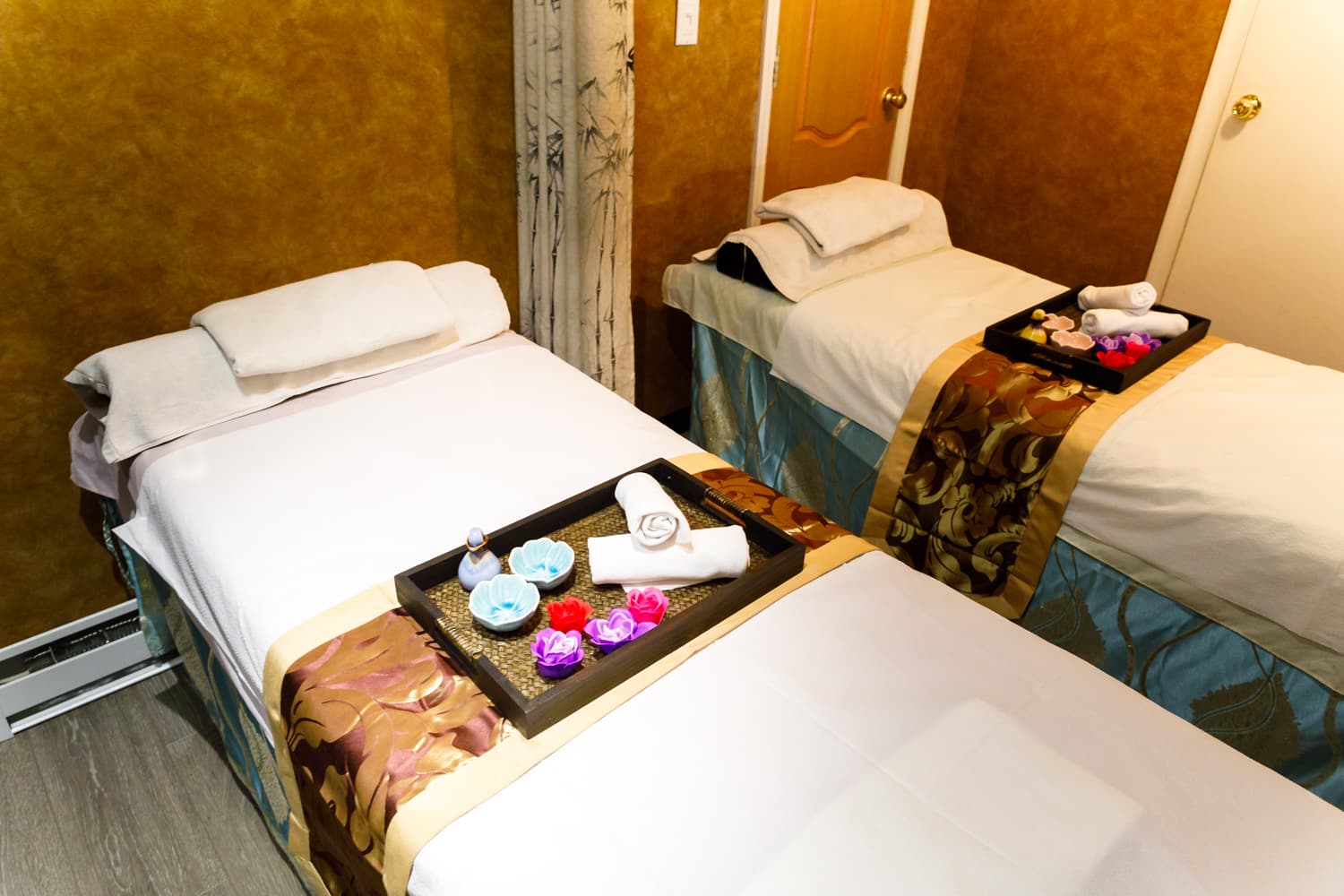
Renew Day Spa
New York, NY
★★★★★4.9 (6,423)
New York, NY
Killeen, TX

Asheville, NC

Atlantic City, NJ
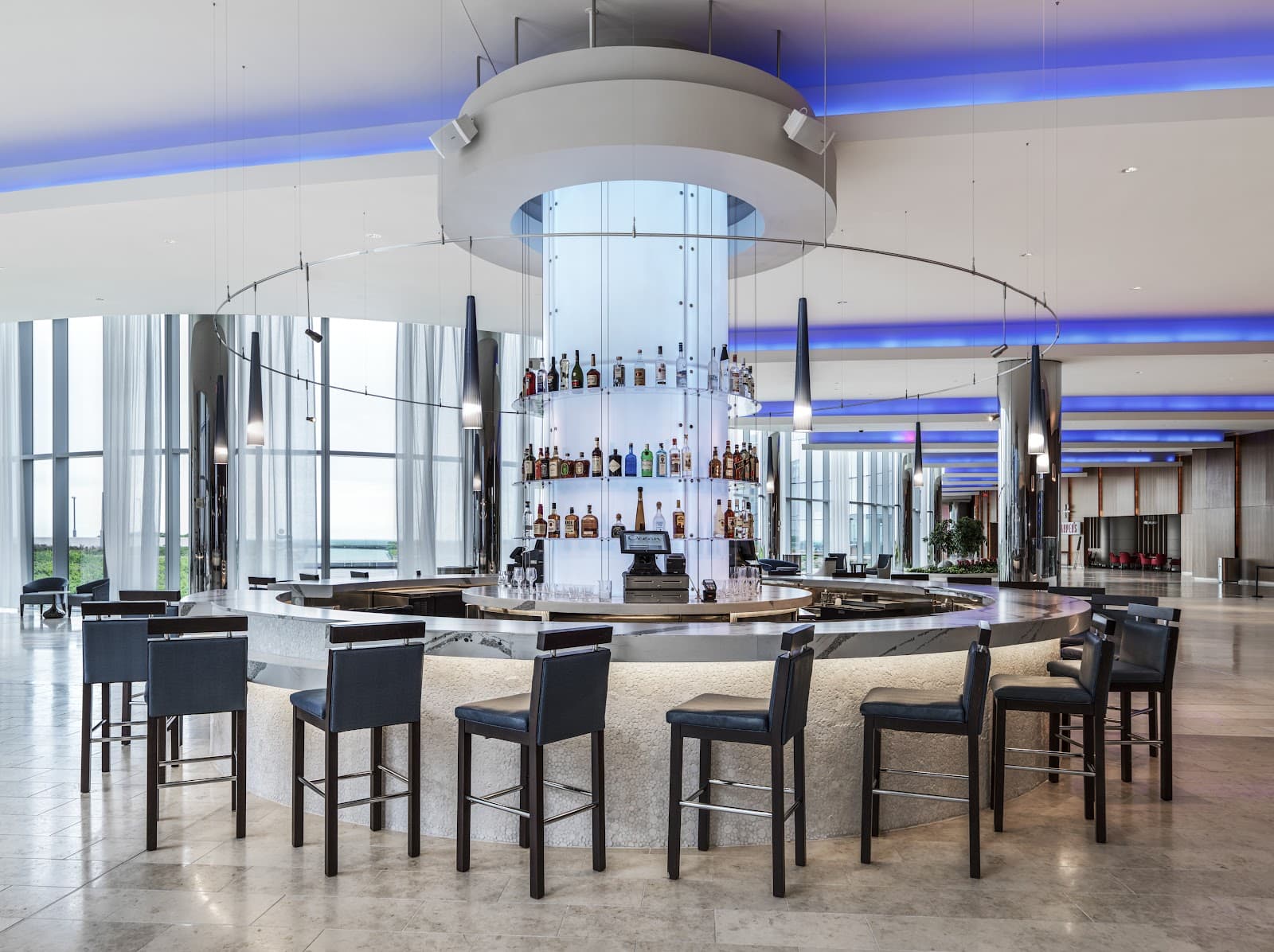
Atlantic City, NJ

Reno, NV
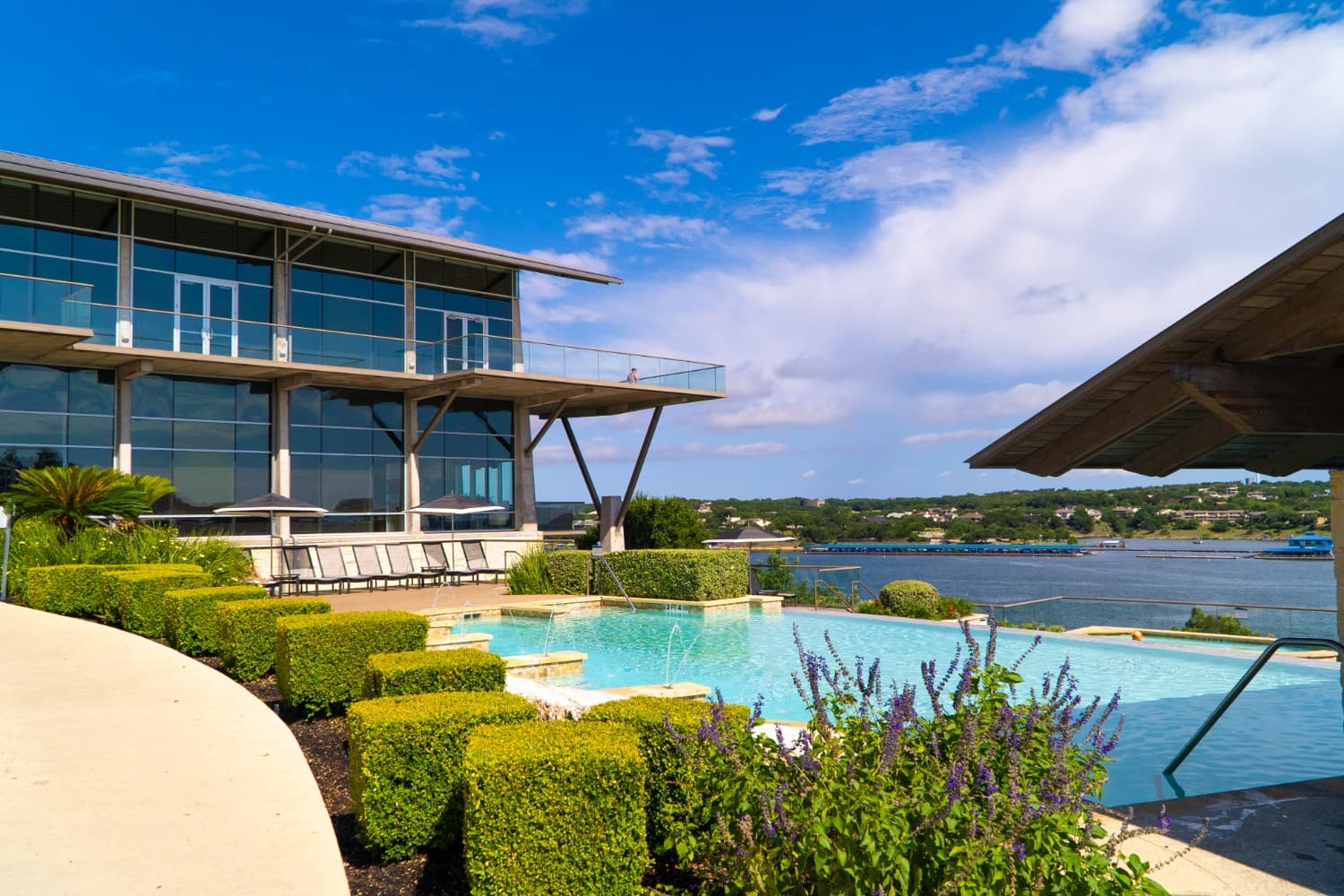
Lakeway, TX

Rancho Palos Verdes, CA

Miami Beach, FL

Edgewater, NJ

Lynnwood, WA

Verona, NY

Reno, NV
Hot Springs, AR

Galveston, TX

Bethlehem, PA

Indio, CA
Pittsburgh, PA

Airway Heights, WA

Hot Springs, AR
Shreveport, LA
Michigan City, IN

Wilkes-Barre, PA

Schenectady, NY
Showing 24 of 38,927 clinics
Dermal Filler is generally considered safe when performed by a trained, licensed provider. Common side effects include temporary bruising, swelling, or redness at the injection site. Serious complications are rare but possible. Always consult a board-certified provider and disclose your full medical history before treatment.
Filler under the eyes typically costs $650 to $1,400 per session in the US, covering 0.5 to 1 mL total across both eyes. Premium practices in major cities charge $1,400 to $2,000. Re-treatment is needed every 9 to 15 months, so budget it as a recurring cost.
Pricing is usually per syringe, at $650 to $1,200, but under-eye treatment rarely uses a full syringe per eye. Typical volume is 0.3 to 0.5 mL per side, so some practices charge a flat periorbital fee instead. Ask which, and ask whether unused product is banked for you. Expect a higher quote if the cheeks are treated in the same session, which many injectors recommend, because midface support improves the under-eye result and can reduce the volume needed there. Two costs people forget: hyaluronidase to dissolve an unsatisfactory result runs $150 to $500 per session, and the under-eye is the area most likely to need it. This is the highest-skill, highest-risk filler area, and although Volbella XC, Restylane Eyelight and Belotero Balance (+) are FDA-approved for it, the cheapest quote is a poor way to choose.
Dermal fillers typically cost $650 to $1,200 per syringe (1 mL) in the US. A full treatment usually runs $700 to $1,400 for lips, $1,000 to $4,000 for cheeks, $1,200 to $3,000 for jawline, and $650 to $1,800 for under-eyes. Thicker, longer-lasting products cost more.
Fillers are priced per syringe, and a syringe is 1 mL, about a fifth of a teaspoon. So the honest cost question is how many syringes you need, and that depends on the area and your degree of volume loss. Premium structural HA products such as Juvederm Voluma, Restylane Lyft and RHA 4 sit at the top of the range. Biostimulators are priced per vial at $800 to $1,500 and usually need 2 to 3 sessions. Coastal metros run 30 to 50 percent above national averages. Manufacturer loyalty programs (Allergan Alle, Galderma Rewards) offset some cost, and insurance covers none of it. Be wary of deep discounts: complications are managed by expertise, and unusually cheap product is a genuine red flag.
Marionette lines (the creases running from the mouth corners toward the chin) are most often treated with hyaluronic acid filler, typically 1-2 syringes lasting 9-18 months, combined with a few units of Botox in the depressor anguli oris to release the downward pull on the mouth corners.
Filling the crease alone often disappoints, because the line is a symptom of what's happening around it: volume loss at the chin and pre-jowl hollow, descent of cheek fat, an overactive muscle pulling the mouth corner down, and thinning skin. A typical plan rebuilds the chin and pre-jowl support first, then softens the line itself conservatively, then relaxes the depressor anguli oris with a small dose of neurotoxin. Flexible HA fillers (Restylane Defyne or Refyne, Juvederm Vollure) preserve natural expression here. Skin quality adjuncts (RF microneedling, laser resurfacing, retinoids) help but don't correct depth. If the lines come with heavy jowling and loose skin, filler alone will look bulky and a surgical consult is the honest recommendation.
The common failures are overfilling (a heavy, pillowed lower face) plus lumps, a visible ridge along the line, and product migrating toward the lip border. The rare serious one is vascular occlusion of a facial artery branch, which causes blanching and severe pain and can lead to skin necrosis.
This region sits in a recognized facial danger zone: the facial artery and its branches run alongside the fold and toward the mouth corners. Emergency signs are immediate blanching or white skin, pain out of proportion to the injection, mottled net-like discoloration, or blistering: call your injector the same hour, because hyaluronidase given early is what prevents tissue death. Cosmetic problems are less alarming and reversible: hyaluronidase dissolves misplaced or excess HA within 24-48 hours. Judge nothing before four weeks; early lumps are usually swelling. The long-term error is repeatedly filling this area for years without ever dissolving, which accumulates product and distorts the lower face. Prevention: conservative volume, deep placement, cannula where possible, hyaluronidase on site.
The serious risk is vascular occlusion: filler blocking an artery, which can cause skin death and, rarely, permanent blindness. Any med spa offering filler must keep hyaluronidase on site to dissolve it immediately. Common risks are bruising, swelling, lumps, asymmetry and infection.
Named med spas ("Plump," or any other brand) are independent businesses, and the name tells you nothing about safety. What tells you something is the answer to a few questions. Is hyaluronidase physically in the building, and has the injector personally managed an occlusion? Do they inject slowly, with a cannula or with aspiration where appropriate, in high-risk zones: glabella, nose, under-eye? Will they show you the product box and lot number, so you know it isn't counterfeit or imported grey-market filler? Occlusion signs are blanching, disproportionate pain, and a dusky mottled pattern in the hours afterwards, and any vision change is an emergency. You need to be able to reach the injector the same day, not a voicemail.