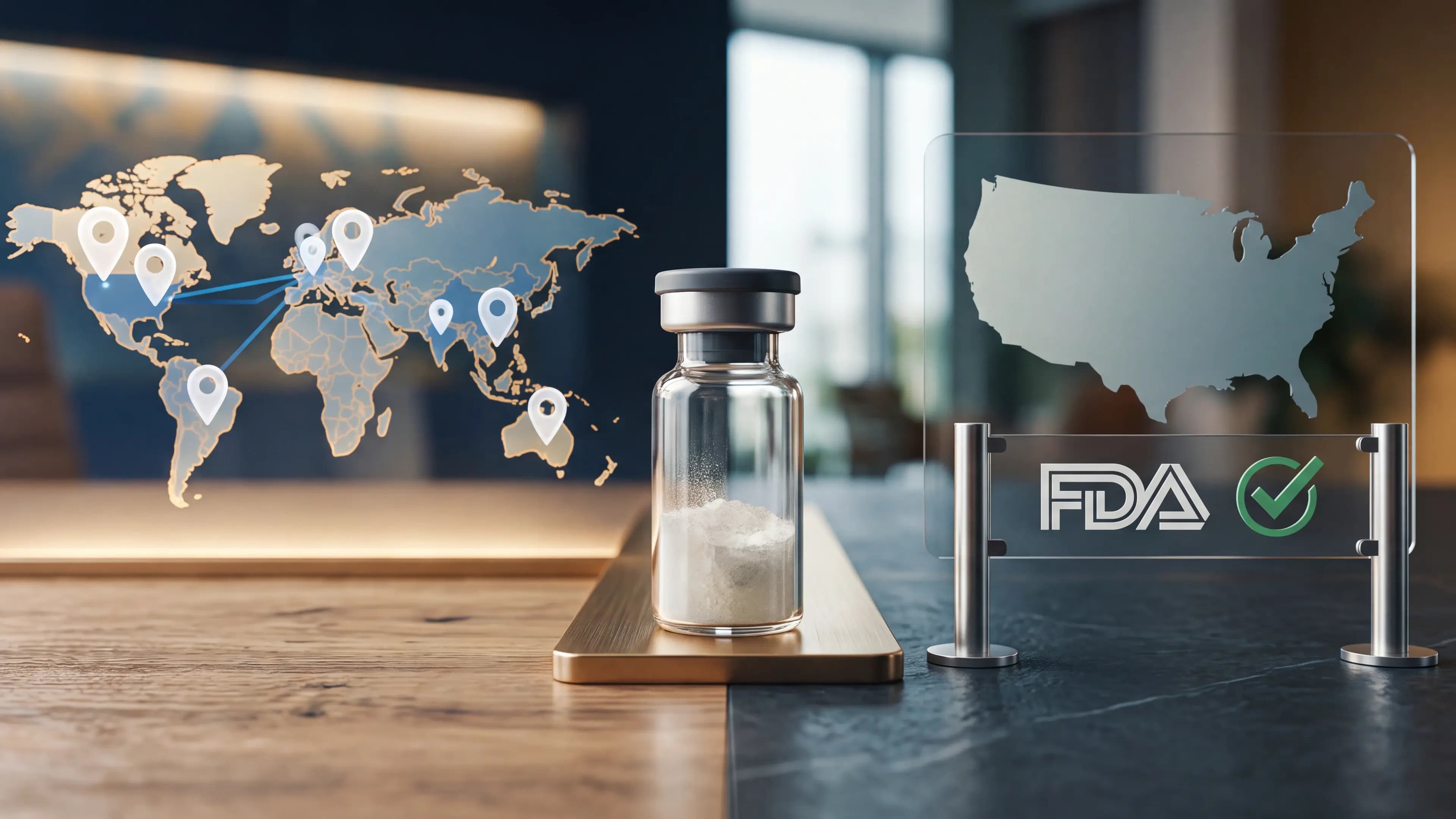
Several new toxins made news in May, Retoxin (approved in China), Relfydess (approved in 20-plus markets, under U.S. review), and the investigational corabotase, but none was FDA-approved or available in the U.S. Approval abroad, FDA approval, and U.S. availability are three different things, and conflating them can lead patients toward unapproved products.
- Context: multiple new toxins made May news (Retoxin, Relfydess, corabotase).
- Key point: none was FDA-approved and available in the U.S.
- Three statuses: approved abroad, FDA-approved, and available are different.
- Risk: products from abroad or unauthorized channels may be unapproved or counterfeit.
- Patient action: confirm FDA approval for the intended use and authorized sourcing.
May was a busy month for toxin headlines, and many of them carried a subtle but crucial caveat.
A products approval somewhere in the world does not mean it is approved, or legal, for you to receive.
What happened
Within weeks, the field saw a recombinant toxin (Retoxin) approved in China, continued global momentum for the ready-to-use liquid toxin Relfydess (cleared in more than 20 markets but still under U.S. FDA review), and strong investigational data for corabotase (not approved anywhere for sale). Each is genuinely newsworthy, but each also illustrates the same trap: headlines about approval often refer to other countries or to trial milestones, not to U.S. availability.
Three distinct statuses matter. Approved abroad means a foreign regulator cleared it, with no bearing on U.S. legality. FDA-approved means the U.S. agency reviewed and cleared it for a specific use. Available means a provider can legally obtain and administer it here. A product can be approved overseas yet neither FDA-approved nor available in the U.S., which is exactly the case for several May headliners.
Why it matters
For consumers, this distinction is a practical safeguard. If a clinic offers a buzzy new toxin you read about, the right question is whether it is FDA-approved for use in the U.S., because products sourced from abroad or outside authorized channels may be unapproved, counterfeit, or unsafe. Excitement about innovation is reasonable; receiving a product that is not legally approved here is not the same as accessing cutting-edge care.
What to watch
Watch which globally approved toxins pursue and obtain FDA approval, the milestone that actually changes U.S. options. Until then, treat international approvals and trial data as informative context, not a shopping list. For patients, the durable rule is to confirm that any toxin offered is FDA-approved for the intended use and obtained through authorized channels, and to be wary of clinics promoting products not yet cleared in the United States.
Frequently asked questions
If a toxin is approved in Europe or China, can I get it in the U.S.?
How do I know if a toxin is FDA-approved?
- 1.May 2026 Aesthetic Medicine Update: A Neurotoxin Market in Motion — IAPAM (2026-06-02)
- 2.Counterfeit and unapproved botulinum toxin consumer guidance — FDA (2026-05-20)
- 3.Galderma U.S. FDA acceptance of relabotulinumtoxinA application — Galderma (2026-05-20)